
 Products
 Bars
Bars
 Beads & Spheres
 Bolts & Nuts
 Crucibles
 Discs
Discs
 Fibers & Fabrics
 Films
Films
 Flake
Flake
 Foams
Foams
 Foil
Foil
 Granules
 Honeycombs
 Ink
Ink
 Laminate
 Lumps
Lumps
 Meshes
 Metallised Film
 Plate
Plate
 Powders
 Rod
Rod
 Single Crystals
 Sputtering Target
 Tubes
Tubes
 Washer
 Wires
Wires
 Converters & Calculators
 Write for Us



What Are the Applications of Tungsten?

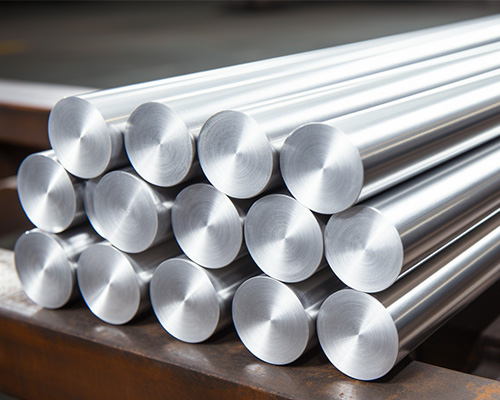
Tungsten is a rare metal, similar to steel in appearance. Because tungsten has the advantages of high melting point, high hardness, excellent corrosion resistance, and good electrical and thermal conductivity, it has become one of the most important functional materials in modern industry, national defense, and high-tech applications. Then what are the specific applications of tungsten?
What Are the Applications of Tungsten?
1. Application of Tungsten in the Alloy Field
Steel
Because of its high hardness and high density, tungsten is an important alloying element because it can significantly improve the strength, hardness, and wear resistance of steel and is widely used in the production of various steels.
Common tungsten-containing steels include high-speed steel, tungsten steel, and tungsten-cobalt magnetic steel. They are mainly used to manufacture various tools, such as drills, milling cutters, female molds, and male molds.
Tungsten Carbide Based Cemented Carbide
Tungsten carbide has high wear resistance and refractory properties, and its hardness is close to the diamond, so it is often used in the production of cemented carbide.
Tungsten carbide-based cemented carbide can be roughly divided into four categories: tungsten carbide-cobalt, tungsten carbide-titanium carbide-cobalt, tungsten carbide-titanium carbide-tantalum carbide (niobium)-cobalt and steel bonded cemented carbide. They are mainly used in manufacturing cutting tools, mining tools, and wire drawing dies.
Wear-Resistant Alloy
Tungsten is a refractory metal with the highest melting point and high hardness, so it is often used to make heat-resistant and wear-resistant alloys.
For example, alloys of tungsten, chromium, cobalt, and carbon are commonly used to produce wear-resistant parts such as aero-engine valves and turbine impellers, while alloys of tungsten and other refractory metals (such as tantalum, niobium, molybdenum, rhenium) are commonly used to produce the rockets nozzles, engines, and other high thermal strength parts.
High Specific Gravity Alloy
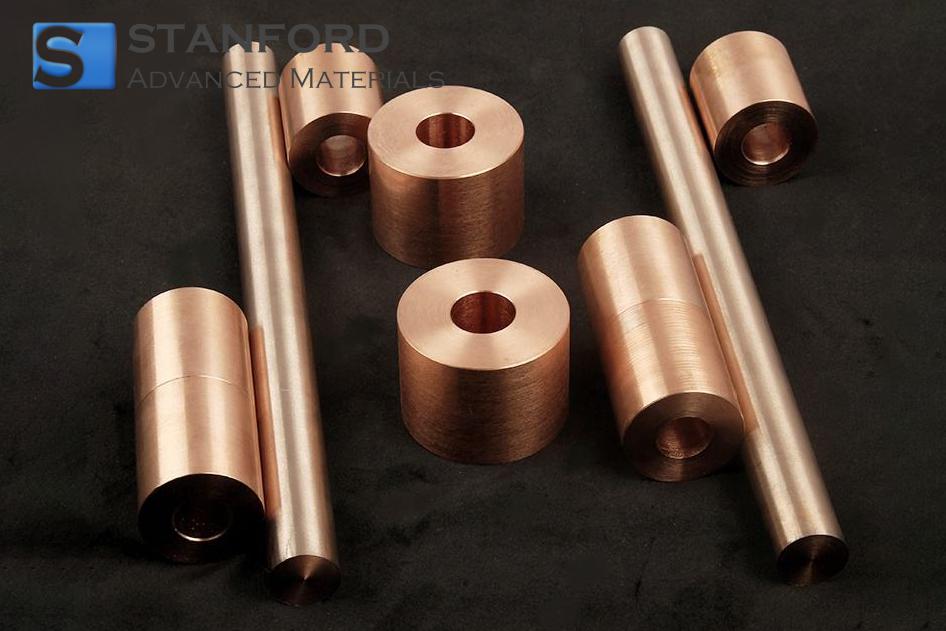
Due to its high density and high hardness, tungsten has become an ideal material for manufacturing high-density alloys. According to different composition characteristics and uses, these high specific gravity alloys can be divided into W-Ni-Fe, W-Ni-Cu, W-Co, W-WC-Cu, W-Ag, and other series They are often used to make armors, heat sinks, knife switches, circuit breakers, etc. because of their high specific gravity, high strength, high thermal conductivity, good electrical conductivity, and superior processing performance.
2. Application of Tungsten in the Electronic Field
Tungsten has strong plasticity, low evaporation rate, high melting point, and strong electron emission ability, so it is widely used in electronics and power supply industries.
For example, tungsten wires have high luminous efficiency and long service life and are commonly used to manufacture various bulb filaments, such as incandescent lamps and iodine tungsten lamps.
In addition, tungsten wire can also be used to manufacture direct heating cathodes and grids of electronic oscillation tubes and cathode heaters in various electronic instruments.
3. Application of Tungsten in the Chemical Industry
Tungsten compounds are commonly used to produce certain types of paints, pigments, inks, lubricants, and catalysts.
For example, sodium tungstate is commonly used in the manufacture of metal tungsten, tungstic acid, and tungstate, as well as dyes, pigments, inks, electroplating, etc.; tungstic acid is often used as a mordant and dye in the textile industry, and as a catalyst for the production of high-octane gasoline in the chemical industry; tungsten disulfide is often used in organic syntheses, such as a solid lubricant and catalyst in the preparation of synthetic gasoline; bronze-colored tungsten oxide is used in painting.
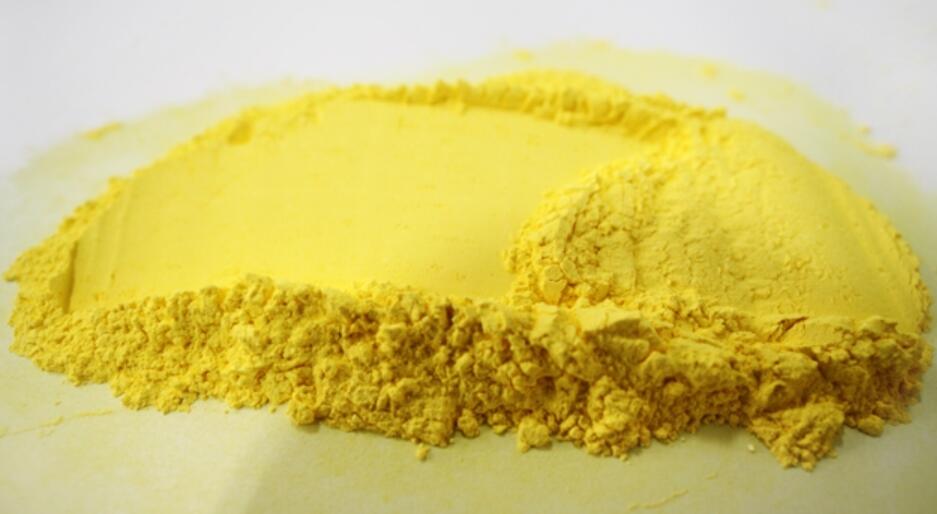
Tungsten Oxide
4. Application of Tungsten in the Medical Field
Because of their high hardness and density, tungsten alloys are very suitable for medical applications such as X-ray and radiation protection. Common tungsten alloy medical products include X-ray anodes, anti-scatter plates, radioactive containers, and syringe shielding containers.
5. Application of Tungsten in the Military Field
Because of its non-toxic and environmentally friendly properties, tungsten has been used to replace the previous lead and depleted uranium materials to make bullets to reduce the environmental pollution of military materials. In addition, due to its strong hardness and high-temperature resistance, tungsten can make the prepared military products superior in combat performance.
Tungsten products used in the military mainly include tungsten alloy bullets, kinetic energy armor-piercing bullets, etc.
In addition to the above fields, tungsten can also be used in aerospace, navigation, atomic energy, shipbuilding, the automobile industry, and other fields.
Conclusion
Thank you for reading our article and we hope it can help you to have a better understanding of the applications of tungsten. If you want to know more about tungsten and tungsten alloys, we would like to advise you to visit Stanford Advanced Materials (SAM) for more information.
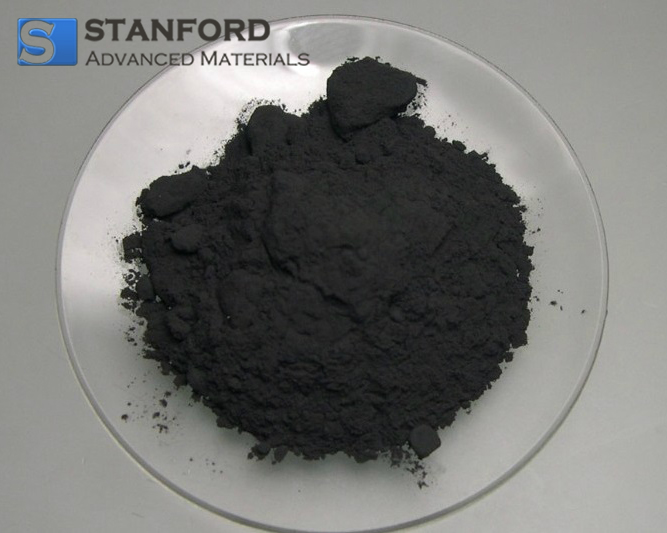
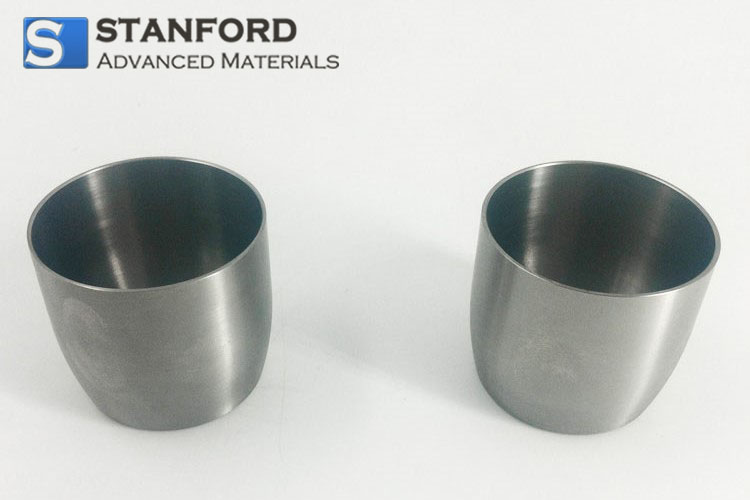
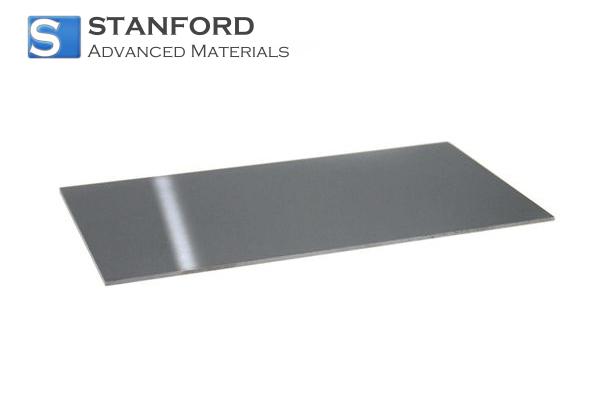
Stanford Advanced Materials (SAM) is a worldwide supplier of tungsten products and has over two decades of experience in the manufacture and sale of tungsten and tungsten alloys, offering high-quality tungsten products to meet customers' R&D and production needs. As such, we are confident that SAM will be your favorite tungsten product supplier and business partner.
 Chin Trento