Products
 Bars
Bars
 Beads & Spheres
 Bolts & Nuts
 Crucibles
 Discs
Discs
 Fibers & Fabrics
 Films
Films
 Flake
Flake
 Foams
Foams
 Foil
Foil
 Granules
 Honeycombs
 Ink
Ink
 Laminate
 Lumps
Lumps
 Meshes
 Metallised Film
 Plate
Plate
 Powders
 Rod
Rod
 Single Crystals
 Sputtering Target
 Tubes
Tubes
 Washer
 Wires
Wires
 Converters & Calculators
 Write for Us



What Are the Characteristics of Hexagonal Boron Nitride?

Introduction to hBN
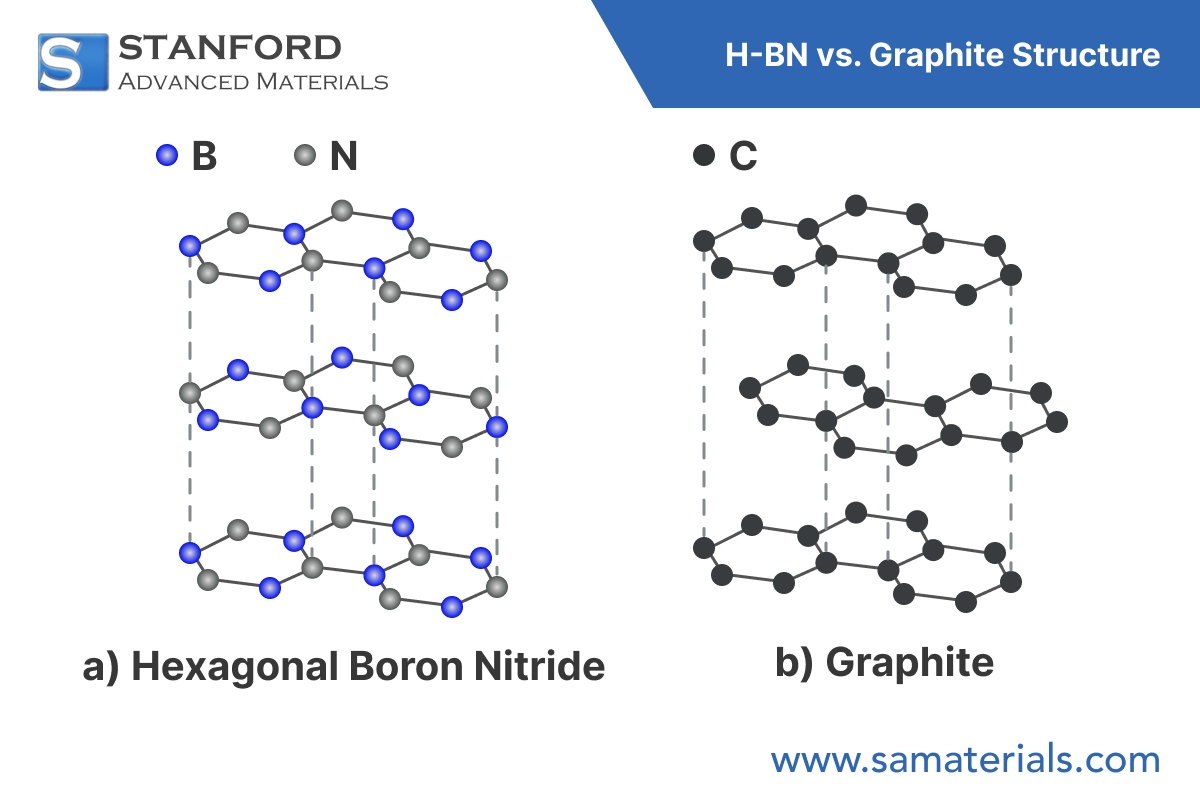
Hexagonal boron nitride (hBN) is an advanced ceramic material with unique thermal, electrical, and chemical properties. Commonly called "white graphite," hBN features nitrogen and boron atoms arranged in hexagonal mesh layers that overlap to form crystals. These crystals exhibit graphite-like structure with diamagnetism and high anisotropy, sharing similar crystal parameters. This layered structure results in highly anisotropic properties; for instance, thermal conductivity within the basal planes is exceptionally high, while it is much lower across the planes.
Due to its exceptional properties, hBN serves numerous applications, including:
- Refractory materials
- Semiconductor solid-phase doping sources
- Atomic stack structural materials
- Neutron radiation shielding packaging
- Rocket engine components
- High-temperature lubricants and mold release agents
Physical and Chemical Properties
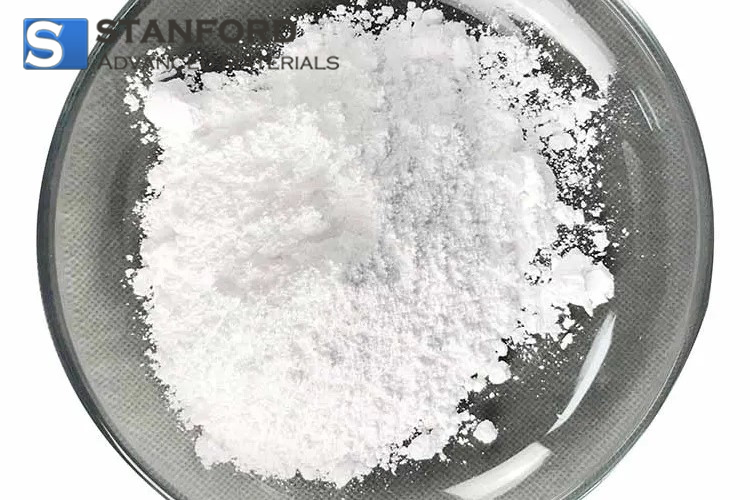
Hexagonal boron nitride is a loose, lubricating, moisture-absorbing white powder with a true density of 2.27 g/cm3, a Mohs hardness of 2, and low mechanical strength, but higher than graphite. Its melting point is indefinite, and it sublimates above 3000°C in an inert atmosphere (e.g., nitrogen). However, in an oxidizing environment, it begins to oxidize appreciably around 800-900°C in air. For long-term use in air, the recommended maximum temperature is generally below 1000°C.
It possesses a low expansion coefficient and high thermal conductivity, thus exhibiting outstanding thermal shock resistance, remaining undamaged even after hundreds of cycles between 1200°C and 20 °C. The expansion coefficient of hBN is equivalent to that of quartz, but the thermal conductivity is 10 times that of quartz.
Electrical and Thermal Performance
Hexagonal boron nitride is an excellent electrical insulator, with a room-temperature resistivity typically in the range of 10¹⁴ to 10¹⁶ Ω·cm for high-quality material. It retains high resistivity at elevated temperatures, often exceeding 10⁸ Ω·cm at 1000°C. It exhibits a low dielectric loss tangent (tan δ), typically on the order of 10⁻⁴ to 10⁻⁵ at high frequencies, which makes it suitable for high-frequency and microwave applications.
Key Characteristics and Advantages
Hexagonal boron nitride displays remarkable lubricity, oxidation resistance, corrosion resistance, insulation, thermal conductivity, and chemical stability. It can be used to manufacture TiB2/BN composite ceramics, high-grade refractory materials and super hard materials, horizontal continuous rolling steel separation rings, high-temperature resistant lubricants, and high-temperature coatings, and also a raw material for the synthesis of cubic boron nitride.
It is characterized by excellent chemical stability, neither wetting nor acting on most metal melts, such as steel, stainless steel, Al, Fe, Ge, Bi, Si, Cu, Sb, Sn, In, Cd, Ni, Zn, etc.
Industrial and High-Tech Applications
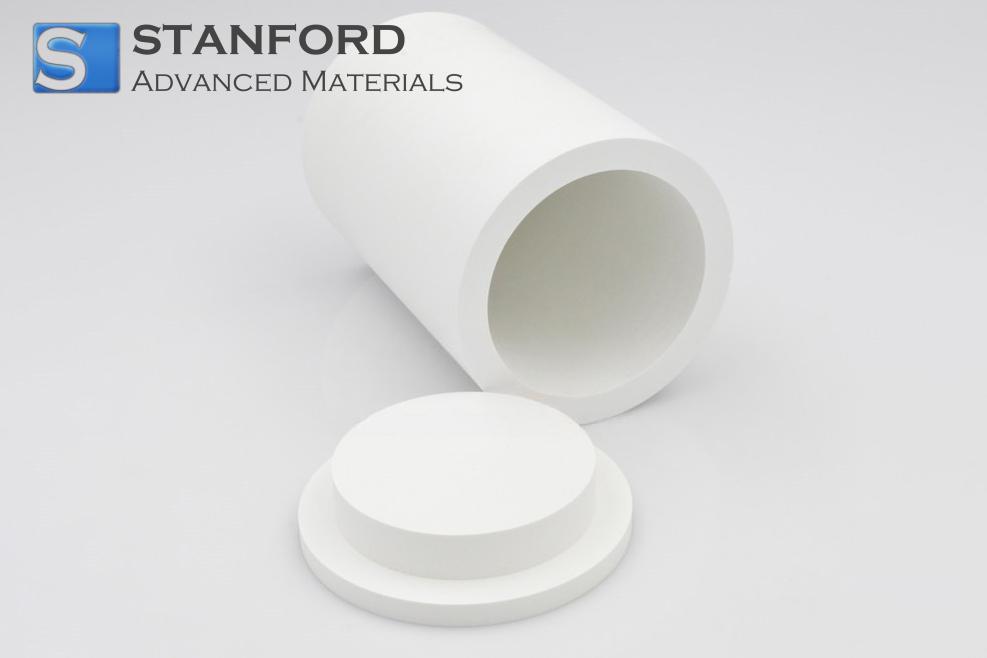
Therefore, it can be used as a high-temperature galvanic couple protection cover, melting metal crucible, utensils, pipes for conveying liquid metal, pump parts, cast steel abrasive tools, and high-temperature electrical insulation materials. Due to the heat and corrosion resistance of BN, it can be used to manufacture high-temperature components, rocket combustion chamber linings, heat shields for spacecraft, and corrosion-resistant parts for magnetic flow generators.
Conclusion
We appreciate your interest in the characteristics of hexagonal boron nitride. For further technical insights into boron nitride materials, feel free to reach out to Stanford Advanced Materials (SAM).
As a global hBN supplier with 20+ years of experience, we provide:
- High-quality hexagonal boron nitride products
- Custom material solutions
- Reliable technical support
We're confident SAM can meet your hexagonal boron nitride requirements for both R&D and production applications. Contact us today to discuss how we can partner on your next project.
 Chin Trento