Products
 Bars
Bars
 Beads & Spheres
 Bolts & Nuts
 Crucibles
 Discs
Discs
 Fibers & Fabrics
 Films
Films
 Flake
Flake
 Foams
Foams
 Foil
Foil
 Granules
 Honeycombs
 Ink
Ink
 Laminate
 Lumps
Lumps
 Meshes
 Metallised Film
 Plate
Plate
 Powders
 Rod
Rod
 Single Crystals
 Sputtering Target
 Tubes
Tubes
 Washer
 Wires
Wires
 Converters & Calculators
 Write for Us



Precious Metal Catalysts for Gas Purification

Introduction
Precious metal catalysts are widely used in gas purification processes due to their high selectivity, activity, and stability. These catalysts are particularly useful in applications where the gas stream contains impurities that are difficult to remove by other means. This article is going to discuss precious metal catalysts used for gas purification. Hope that you can have a further comprehension of the benefits and applications of precious metal catalysts after reading.
Precious Metal Catalysts and Their Benefits
Precious metal catalysts are made from gold, silver, platinum, ruthenium, palladium, rhodium, and other noble metals, which have a broad range of applications. Without changing themselves, they facilitate chemical reactions by lowering the activation energy required for a reaction to occur, enabling reactions to take place at lower temperatures and pressures than would be required without a catalyst. This improves the efficiency of the reaction and reduces the energy required, resulting in lower costs and reduced environmental impact.
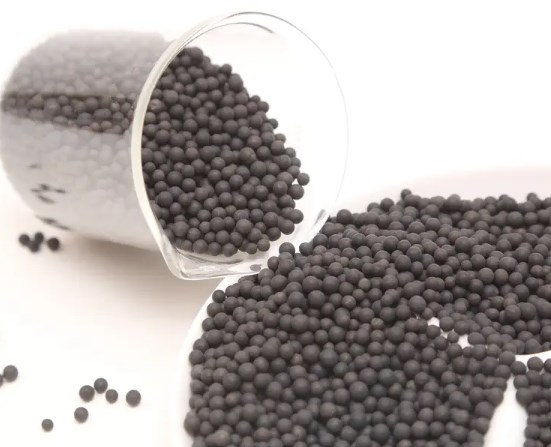
Figure 1. Precious Metal Catalysts
Precious Metal Catalysts for Gas Purification
Let’s continue to talk about the applications of precious metal catalysts for gas purification in different industries.
- The Automotive Sector: Precious metal catalysts are used to remove harmful pollutants from vehicle exhausts. Namely, catalytic converters use a combination of platinum, palladium, and rhodium to convert nitrogen oxides, carbon monoxide, and unburned hydrocarbons into less harmful compounds such as nitrogen, carbon dioxide, and water. These catalysts work by facilitating chemical reactions between the pollutants and oxygen at high temperatures, typically between 200 and 600 degrees Celsius.
- The Semiconductor Industry: In the semiconductor industry, high-purity gases such as silane, ammonia, and nitrogen are used in various processes to create microchips. These gases must be free of impurities to ensure the integrity and reliability of the microchips. Precious metal catalysts play a critical role in purifying these high-purity gases. For instance, in the production of silicon layers for microchips, silane gas is heated and purified using platinum-based catalysts. During this process, the precious metal catalyst facilitates reactions that remove impurities, including hydrocarbons and halogens, which could otherwise damage the microchip.
- The Environmental Industry: In the environmental industry, the goal of using precious metal catalysts is to reduce the impact of manufacturing processes on air quality and the environment. Industrial processes can release a range of toxic gases, including nitrogen oxides, sulfur oxides, and volatile organic compounds (VOCs), into the atmosphere. These pollutants can contribute to smog, acid rain, and other harmful environmental effects. Precious metal catalysts are often used in industrial waste gas treatment processes to remove these pollutants before the gases are released into the environment.
- Other Industries: Precious metal catalysts are also used to purify industrial gases such as hydrogen, ammonia, and methane. Hydrogen purification, for example, is an essential process in the production of high-purity hydrogen gas for fuel cells. Platinum is commonly used as a catalyst in hydrogen purification systems due to its high reactivity and selectivity.
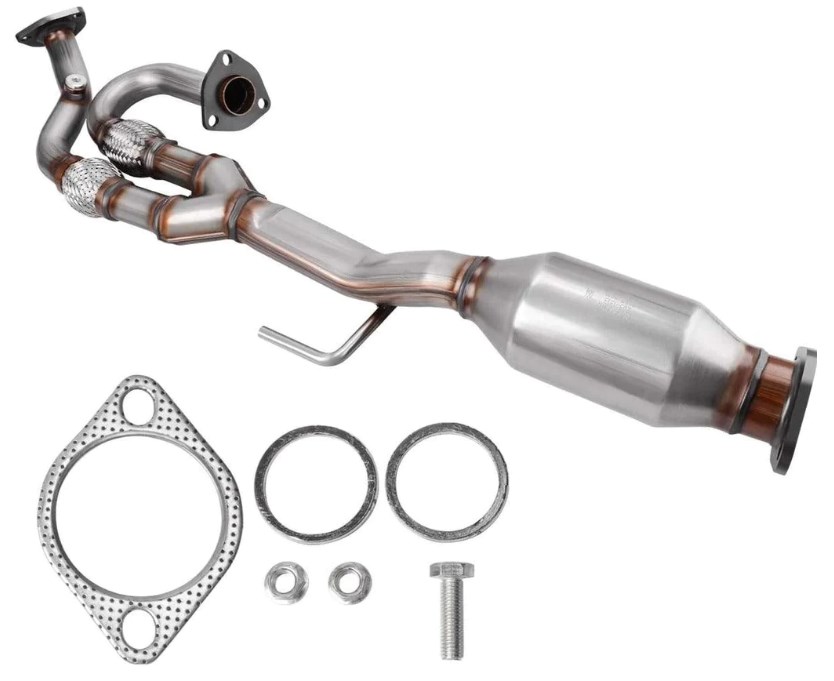
Figure 2. Catalytic Converter for the Automotive Exhaust System
Other Applications of Precious Metal Catalysts
- Ammonia synthesis is another important industrial process that uses precious metal catalysts. In this process, nitrogen and hydrogen are reacted in the presence of a catalyst to produce ammonia, which is used as a fertilizer and in the production of various chemicals. Iron-based catalysts have traditionally been employed for ammonia synthesis, but precious metal catalysts such as ruthenium and osmium are being investigated as alternatives due to their higher selectivity and stability.
- In addition to their use in gas purification, precious metal catalysts also possess a variety of other applications. For example, platinum-based catalysts are used in the production of silicone rubber, while palladium catalysts are applied to the manufacture of pharmaceuticals.
Cons and Pros of Precious Metal Catalysts
One of the main advantages of using precious metal catalysts is their high efficiency, which allows for smaller reactors and lower energy consumption.
In addition, precious metal catalysts are highly selective, meaning that they can be designed to target specific pollutants without affecting other components of the gas stream. For example, platinum catalysts are used in automotive catalytic converters to convert harmful exhaust gases such as carbon monoxide, nitrogen oxides, and unburned hydrocarbons into less harmful compounds such as carbon dioxide, nitrogen, and water. Similarly, palladium catalysts can facilitate the selective hydrogenation of unsaturated bonds in organic molecules without affecting other functional groups.
However, the high cost of precious metals is a major barrier to the widespread adoption of these catalysts. Researchers are currently exploring ways to reduce the cost of precious metal catalysts through the development of new catalyst designs and the use of lower-cost metals as co-catalysts.
Related reading: Advantages of Precious Metal Catalysts
Conclusion
In a word, precious metal catalysts are essential components of many gas purification processes. Their high efficiency, selectivity, and stability make them ideal for applications where other purification methods are not effective. Despite their high cost, continued research and development in this area are likely to lead to the further adoption of precious metal catalysts in a wide range of industrial applications.
Stanford Advanced Materials (SAM) is a reliable supplier of various high-quality precious metal catalysts at reasonable prices. There are Palladium catalysts, Iridium catalysts, Ruthenium catalysts, etc. For more information, please visit our homepage.

 Chin Trento