Products
 Bars
Bars
 Beads & Spheres
 Bolts & Nuts
 Crucibles
 Discs
Discs
 Fibers & Fabrics
 Films
Films
 Flake
Flake
 Foams
Foams
 Foil
Foil
 Granules
 Honeycombs
 Ink
Ink
 Laminate
 Lumps
Lumps
 Meshes
 Metallised Film
 Plate
Plate
 Powders
 Rod
Rod
 Single Crystals
 Sputtering Target
 Tubes
Tubes
 Washer
 Wires
Wires
 Converters & Calculators
 Write for Us



Navigating the World of Membrane Filters: Types, Uses, and Benefits (Ⅱ)

Preface: In the previous part of this article, Navigating the World of Membrane Filters: Types, Uses, and Benefits (1), we have discussed an overview of filtration membranes and introduced the two more common types of filtration membranes, polymeric filtration membranes, including Polyethersulfone (PES) and Polyvinylidene Fluoride (PVDF), and Ceramic Filtration Membranes, and described their preparation and applications. We have also introduced their preparation and applications. Stanford Advanced Materials (SAM) will continue to introduce you to other types of membranes.
5 Nanostructured Membranes
5.1 Titanium Dioxide (TiO2) Nanotube Membranes
5.1.1 What Are Titanium Dioxide (TiO2) Nanotube Membranes
Since the discovery of carbon nanotubes in 1991, tubular structure nanomaterials have attracted much attention due to their unique physicochemical properties and promising applications in microelectronics, applied catalysis, photovoltaic conversion, etc. TiO2, with its advantages of good ultraviolet absorption, high dielectric constant, and stable chemical properties, is widely used in the fields of photocatalysis, solar cell coatings, anticorrosive, air purification, and wastewater treatment. and other fields. Titanium dioxide nanotubes typically have a diameter of a few to tens of nanometers, while the length can range from a few hundred nanometers to several micrometers. This nanoscale size allows titanium dioxide nanotubes to have a high specific surface area, high battery capacity and special photovoltaic properties, which makes titanium dioxide nanotube membranes have a wide range of applications in photocatalysis, photovoltaic device preparation, sensor preparation, and the resulting related reaction areas such as water and air purification and treatment.
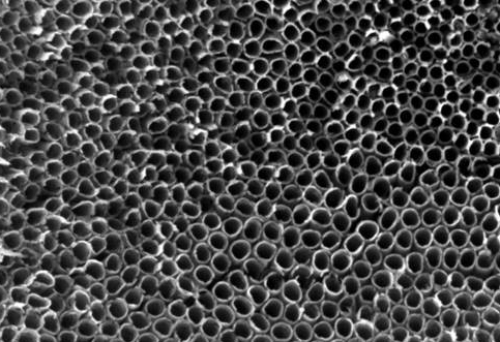
Fig. 6 Microstructure of Titanium Dioxide Nanotubes
5.1.2 Synthesis Methods for Titanium Dioxide (TiO2) Nanotube Membranes
Common preparation methods for TiO2 nanotube thin films include the solution method, vapor phase deposition method, and the electrochemical method, among which the solution method is the most commonly used due to the advantages of a simple and inexpensive process, as well as the ability to control the size morphology better.
The solution method is based on TiO2 precursors in solution, and under specific conditions (e.g., temperature, pH, solvent, etc.), TiO2 nanotube films are formed by controlling the processes of precipitation, dissolution, and crystal growth. The advantages of the solution method for the preparation of TiO2 nanotube films include simplicity of preparation, lower cost, and suitability for large-area preparation.
Vapor phase deposition is a method that utilizes TiO2 precursors in the gas phase to form thin films by depositing them onto the surface of a substrate in a high-temperature environment. This method includes both chemical vapor deposition (CVD) and physical vapor deposition (PVD) types. In the CVD method, a TiO2 film is formed by feeding a gaseous precursor compound into a reaction chamber and decomposing and depositing it onto the substrate surface at high temperatures. In the PVD method, a physical process (e.g., sputtering, evaporation) is utilized to convert the solid TiO2 source material into a gaseous state, which is then deposited onto the substrate surface. Advantages of the vapor deposition method for preparing TiO2 nanotube films include fewer impurities produced during the preparation process and higher film quality.
Electrochemical methods utilize electrochemical reactions to deposit TiO2 nanotubes on the electrode surface. A common electrochemical method is an anodization, in which an oxide layer is formed on the surface of a substrate by applying a voltage in a specific electrolyte, and this oxide layer is then used as a template to grow TiO2 nanotubes under specific conditions. The advantages of electrochemical preparation of TiO2 nanotube films include the simplicity of the preparation process, ease of handling, and the fact that it can be performed at room temperature.
5.1.3 How Are Titanium Dioxide (TiO2) Nanotube Membranes Used
1. Water Treatment: Titanium dioxide nanotube membranes can be used in water treatment for micropollutant removal and water quality improvement. Its high specific surface area and photocatalytic properties enable it to effectively adsorb and degrade pollutants such as organic matter, heavy metal ions, and microorganisms in water, and realize water purification and disinfection. For example, combining titanium dioxide nanotube membrane with photocatalytic technology can be stimulated to produce active oxygen species through the irradiation of ultraviolet light, to remove organic pollutants and bacteria in water.
2. Air Purification: Titanium dioxide nanotube membranes can also be used for air purification, removing airborne organics, VOCs (volatile organic compounds), formaldehyde, and other harmful gases. Similar to applications in water treatment, the photocatalytic properties of titanium dioxide nanotube membranes can be utilized to irradiate ultraviolet light onto the membrane to promote the degradation and removal of harmful gases.
3. Particulate Matter Filtration: Although titanium dioxide nanotube membranes are primarily photocatalytic, their nanoscale tubular structure also makes them capable of filtering particulate matter to a certain extent. Although this filtration performance may not be as efficient as other filtration materials, it still has a certain filtration effect in specific application scenarios and can be used as an additional filtration layer.
5.2 Graphene Oxide (GO) Membranes
5.2.1 Introduction of Graphene Oxide (GO) Membranes
Graphene oxide (GO) is an oxide of graphene, which is more active than graphene due to the increase of oxygen-containing functional groups on the graphene after oxidation and can improve its properties through various reactions with oxygen-containing functional groups. Graphene oxide flakes are the product of chemical oxidation and exfoliation of graphite powder. Graphene oxide is a single atomic layer, which can be readily expanded to tens of micrometers in lateral size. As such, its structure spans scale typical of general chemistry and materials science. Graphene oxide can be regarded as a non-traditional type of soft material with properties of polymers, colloids, thin films, and amphiphilic molecules.
Graphene oxide has a large amount of oxygen content (e.g., hydroxyl groups, carboxyl groups, etc.), which forms defects and functional groups between the graphene layers, leading to the formation of microporous structures in the interlayer gaps. These microporous structures give graphene oxide filter membranes a high degree of surface area and permeability. These microporous structures can be used for both physical filtrations, i.e., selectively blocking or allowing molecules in liquids or gases to pass through according to the size of the micropores, and removing suspended solids, solutes, microorganisms, and so on. The functional groups on the surface of the graphene oxide filtration membrane can also chemisorb with solute molecules so that solute molecules are adsorbed or attached on the surface of the filtration membrane, thus removing organic matter, heavy metal ions, and other pollutants in the liquid or gas. At the same time, the functional groups on the surface of the graphene oxide filtration membrane can be positively or negatively charged, and these charge effects can affect the adsorption and distribution of the solute molecules on the surface of the filtration membrane, thereby realizing selective filtration of specific solutes.
In addition, some graphene oxide filter membranes have photocatalytic activity, i.e., when exposed to light, the graphene oxide on the surface can generate reactive oxygen species, such as hydroxyl radicals and superoxide ions, etc., which can oxidize and degrade organic matter, thereby realizing the degradation and removal of organic pollutants in water.
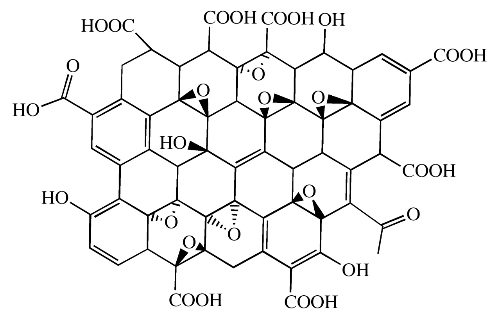
Fig. 7 Structure of Graphene Oxide (GO)
5.2.2 Different preparation methods of Graphene Oxide (GO) Membranes
Graphene oxide is obtained through the oxidation reaction of graphene, generally, there are two methods: the Hummers method and the Brodie method.
1. Hummers Method: Graphene is mixed with concentrated sulfuric acid and stirred to make full contact, then nitric acid is added and the reaction is stirred at below 5℃, after which cooled hydrogen peroxide is added to the reaction, and a large amount of water is added to dilute the reaction solution at the end of the reaction, and graphene oxide is obtained by filtration, washing, drying, and other steps.
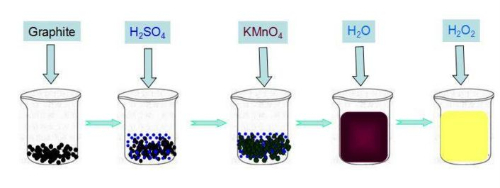
Fig. 8 Preparation of Graphene Oxide by Hummers Method
2. Brodie Method: graphite powder and concentrated nitric acid mixed, while stirring while adding cold sulfuric acid, nitric acid oxidation of graphite reaction produces NO2, after the end of the reaction, add a large amount of water to dilute the reaction solution, after filtration, washing, drying and other steps to get graphene oxide.
Graphene oxide is often made into thin films by the coating method, chemical vapor deposition method, and hydrothermal method.
1. Coating Method: the steps are relatively simple, the graphene oxide powder is added to the appropriate amount of solvent and stirred evenly to make it dispersed, the solution is evenly coated on the substrate to make it dry, and then repeat the above steps until the thickness is appropriate.
2. Chemical Vapor Deposition (CVD): Graphene oxide powder is placed in a high-temperature furnace and heated to over 700°C. One or more gases containing carbon sources (such as methane, ethylene, etc.) flow into the reaction chamber, and the carbon source gases decompose at high temperatures to form graphene, which reacts with the oxides on the surface of graphene oxide to generate graphene oxide films.
3. Hydrothermal Method: compared with the chemical vapor deposition method, the reaction temperature required is lower, the graphene oxide powder is added to the appropriate amount of solvent, heated to the appropriate temperature, and then the reducing agent (such as hydrogen, ammonia, etc.) is added to the reaction system, and the reducing agent in the hydrothermal conditions to reduce the graphene oxide and get the film.
5.2.3 Various Graphene Oxide (GO) Membranes Application Scenarios
1. Water Treatment and Air Purification: graphene oxide membrane can not only carry out conventional filtration, but its molecular selectivity makes it possible to realize desalination, oil-water separation, etc. Meanwhile, its microporous structure and oxidized components can also remove organic matter as well as heavy metal ions, etc., effectively removing particles, solutes, and pollutants.
2. Molecular Separation: the microporous structure of graphene oxide filtration membrane can regulate the permeability and selective separation of molecules, so it has potential application value in gas separation, solvent separation, molecular screening, and so on. For example, a graphene oxide filtration membrane can be used to realize CO2 capture, gas separation, and organic purification.
3. Biomedicine: Graphene oxide filtration membrane has good biocompatibility and biosorption, so it is used in the fields of biosensing, bioseparation, and bioanalysis. For example, graphene oxide filtration membranes can be used for cell culture, protein separation, and DNA capture.
4. Energy: Graphene oxide filtration membranes are used in devices such as batteries, supercapacitors, and fuel cells in the energy sector as ion transport membranes and electrolyte membranes to improve the performance and stability of the devices.
5.3 Carbon Nanotube (CNT) Membrane
5.3.1 Properties of Carbon Nanotube (CNT) Membrane
Carbon nanotube (CNT), is a seamless hollow tube formed by curling graphite flakes. The carbon atoms in carbon nanotubes are hybridized and bonded in an sp2 fashion, with a six-membered ring as the basic structural unit, which gives carbon nanotubes a high Young's modulus and makes them a material with high fracture strength that is not easily damaged in bending situations. Carbon nanotube films are two-dimensional carbon nanotube network structures formed by individual carbon nanotubes physically or chemically filled with arrays of freely arranged carbon nanotubes, with properties related to the carbon nanotube conformation, orientation, degree of defects, and length-to-diameter ratio. Carbon nanotube membranes have a highly nanoscale pore structure and large specific surface area, making the filter membrane have a large surface area, which is conducive to the adsorption and separation of solutes. Its pore structure has nanoscale dimensions, which makes it effective in blocking solutes, such as particles, organic molecules, etc. Despite the nanoscale pore structure, carbon nanotube filtration membranes have high permeability, which facilitates the rapid passage of solutes and reduces the resistance to filtration. Carbon nanotubes have good chemical stability high mechanical strength and flexibility and can adapt to most environments to keep their structural properties stable. There are various ways to prepare carbon nanotube filtration membranes, which can be realized by adjusting the structure, density, number of layers, and other parameters of carbon nanotubes to regulate the performance of filtration membranes to meet the needs of different application scenarios.
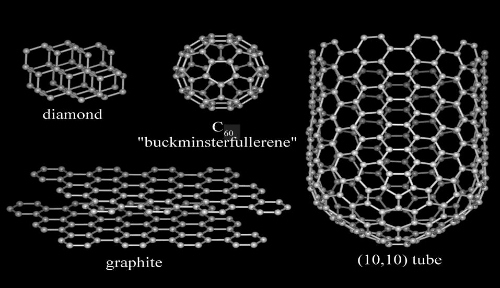
Fig. 9 Schematic Structure of Different Forms of Carbon Monomers
5.3.2 Synthesis Approaches for Carbon Nanotube Filtration Membranes
1. Chemical Vapor Deposition (CVD): Carbon source gases typically used include hydrocarbons such as ethylene and methane, while metal catalysts such as iron, nickel, cobalt, etc., are usually chosen for the catalyst. The substrate to be deposited (e.g., silicon wafer, glass wafer, etc.) is placed in a reaction chamber to ensure that the substrate surface is clean and flat. The reaction chamber is heated to an appropriate temperature and then extracted to a certain vacuum level to ensure the purity and stability of the gases during the reaction process. The carbon source gas and catalyst gas are introduced into the reaction chamber through a gas supply system to control the gas flow rate and flow volume. The carbon source gas dissociates on the catalyst surface to generate carbon atoms, which are subsequently deposited on the substrate surface to form carbon nanotubes. The growth time of the carbon nanotubes is controlled, usually ranging from minutes to hours, to control the length and density of the nanotubes. Prolonged growth results in longer and denser carbon nanotubes. At the end of growth, the supply of carbon source and catalyst gas is stopped and the reaction chamber is cooled to room temperature. At the end of the reaction, the residual gas in the reaction chamber is removed by supplying an inert gas such as nitrogen or argon.
2. Coating Method: The carbon nanotube suspension is coated on the substrate surface by spin-coating, spraying, brushing, or rolling. During the coating process, parameters such as the coating speed and the rotation speed of the coating head can be controlled to control the thickness and uniformity of the film. After coating, the coating is placed in a ventilated area or on a heated bench to induce solvent evaporation. After the solvent has evaporated completely, drying is performed to form a uniform carbon nanotube film. Optionally, the carbon nanotube film is heat-treated to improve the crystallinity and mechanical properties of the film. The heat treatment conditions can be adjusted as needed and are usually performed under an inert gas atmosphere.
3. Filtration: Commonly used filter membrane materials include polycarbonate (PC), polyester (PET), and polyamide (Nylon) membranes, while the pore size is usually selected based on the desired film thickness and permeability. The carbon nanotube suspension is filtered onto the filter membrane by vacuum or pressure. Filtration operations can be performed using equipment such as vacuum filtration funnels or membrane filters.
4. Stripping Method: common stripping methods include mechanical stripping, where the carbon nanotube film is directly stripped from the substrate using stripping tools (e.g., tapes, scrapers, etc.); chemical stripping, where the grown carbon nanotube film is placed in an appropriate solvent or solution so that the bond between the film and the substrate is damaged to realize the stripping; and thermal stripping, where the substrate or the film is heated to make it thermally expanded or contracted to destroy the bond between the substrate and the film to realize the stripping; and thermal stripping, where the substrate or the film is heated to make it thermally expanded or contracted to destroy the bond between the substrate and the film to realize the stripping. and the film by heating the substrate or the film, causing it to expand and contract thermally, thereby breaking the bond between the substrate and the film.
5.3.3 Utilization of Carbon Nanotube (CNT) Membranes
A unique application of carbon nanotubes, in addition to functional applications similar to other types of filtration membranes, is their use as reverse osmosis membranes. Reverse osmosis membrane is a membrane separation technology capable of separating impurities, ions, microorganisms, etc. from water, which is widely used in the fields of drinking water, industrial wastewater treatment, and seawater desalination. However, reverse osmosis membrane has the problem of low flux and low processing efficiency. To solve this problem, scholars introduced carbon nanotubes into reverse osmosis membranes. Carbon nanotubes have excellent properties such as high specific surface area, high strength, high conductivity, etc., which can form a kind of proton conductor channel in the reverse osmosis membrane and increase the flux. At the same time, carbon nanotubes can also adsorb ions microorganisms, and other impurities in water, which can effectively improve the water purification efficiency and life of the reverse osmosis membrane. At present, reverse osmosis membrane based on carbon nanotubes has been put into commercial use, in the field of drinking water, seawater desalination, and other areas to obtain significant results. In the future, the research and preparation technology of carbon nanotube materials will be further developed, and the flux and processing efficiency of reverse osmosis membranes will be continuously improved.
Table 2 Comparison of TiO2 Nanotube, GO, and CNT Properties
|
Properties |
Titanium Dioxide (TiO2) Nanotube Membranes |
Graphene Oxide (GO) Membranes |
Carbon Nanotube (CNT) Membrane |
|
Material Structure |
Titanium oxide nanotubes |
Graphene oxide with oxygen-containing functional groups |
Carbon nanotubes |
|
Preparation Method |
Solution method Vapor deposition method Electrochemical method |
Coating method Chemical vapor deposition method Hydrothermal method |
Chemical vapor deposition Coating method Filtration method |
|
Application Areas |
Photocatalysis Photovoltaic devices Water and air purification |
Water treatment Air purification Molecular separation Biomedicine |
Water treatment Reverse osmosis membranes Molecular separation Biomedicine |
|
Advantages |
High surface area Special photovoltaic properties Photocatalytic activity |
Many oxygen-containing functional groups High surface activity Molecular selectivity |
High strength High conductivity High specific surface area Adjustable performance |
|
Drawbacks |
Complex preparation process and high-cost |
Prone to structural defects and poor stability during the preparation process |
Complex preparation process High process control requirements |
|
Applications |
Photocatalytic water treatment Air purification Photovoltaic device preparation |
Water treatment Molecular separation Biomedical applications |
Reverse osmosis membranes Molecular separation Biomedical applications |
6 Metal Organic Framework (MOF)-based Membranes
6.1 What Are MOF Membranes
Metal Organic Framework (MOF) is a class of crystalline porous materials with periodic network structure formed by interconnecting inorganic metal centers and bridging organic ligands through self-assembly. MOF is an organic-inorganic hybrid material, also known as coordination polymer, which has both the rigidity of inorganic materials and the flexibility of organic materials. It has both the rigidity of inorganic materials and the flexibility of organic materials. The metal-organic skeleton is a coordination polymer formed by self-assembly of polydentate organic ligands containing oxygen, nitrogen, etc., and transition metal ions, which is different from both inorganic porous materials and general organic complexes. The backbone-type structures in different dimensions are mainly determined by the coordination interactions between organic ligands and metal ions as well as hydrogen bonding. The residual reactants and solvent small molecules during the synthesis process will occupy the pores of the skeleton structure, while the removal of small molecules by activation treatment can leave a persistent pore structure. Moreover, the size and structure of the pores can be changed by the structure of organic ligands and the type of metal ions in the synthesized raw materials to control the specific surface area and porosity to suit different applications. At present, metal-organic skeleton materials used together with nitrogen-containing heterocyclic organic neutral ligands or mainly with carboxyl-containing organic anionic ligands can be synthesized in large quantities, which shows great potential for development and application in modern materials research.
6.2 How to Produce MOF Membranes
1. In-situ synthesis method: according to the special surface properties of the carrier itself, the carrier is directly put into the synthesis system, and under certain conditions, the carrier surface and the film-forming night directly contact and thus react, to prepare a continuous membrane. The in-situ synthesis method is simple and easy to operate, easy to realize large-scale production, but it is difficult to prepare continuous MOF membrane, because the chemical properties between MOF materials and carriers are more different, the rate of crystal nucleation is reduced, resulting in low density of heterogeneous nucleation of MOF crystals on the surface of the carrier, and poor bonding between the membrane and the carrier.
2. Crystal seed secondary growth method: first use the hydrothermal method to make the crystal seed grow on the substrate, and then after the process of crystal nucleation, membrane layer growth, the material secondary growth for dense membrane. Finally, the porous substrate surface crystal species after high temperature, the condensation reaction between the groups, and zeolite grains combined to form covalent bonds. However, the method is somewhat limited because the filter membrane does not withstand high temperatures.
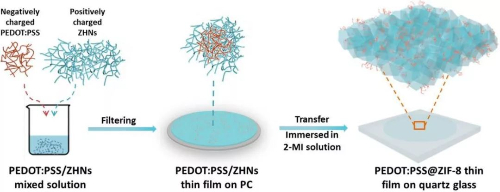
Fig. 10 Schematic Synthesis of a MOF Film: PSS@ZIF-8 Film
6.3 How Are MOF Membranes Used
In addition to functional applications similar to other types of filtration membranes, MOF membranes can be applied to the treatment of heavy metal ions. MOF membranes have a highly ordered porous structure formed by metal ions and organic ligands through ligand chemical bonding. This porous structure has a tunable pore diameter and pore size, providing many adsorption sites and channels, which are favorable for the adsorption and embedding of heavy metal ions. This enables MOF films to be used in the field of water treatment, such as the removal of heavy metal ion pollutants, such as lead, cadmium, and mercury, from groundwater, industrial wastewater, and municipal wastewater. The highly controllable pore sizes and surface functionalization of MOF films allow for efficient adsorption and selective separation of specific heavy metal ions. It also plays a role in adsorption treatment and recovery for environmental remediation and wastewater treatment processes. MOF films can realize efficient capture and recovery of target metals during heavy metal ion adsorption. Through appropriate post-treatment methods, the adsorbed heavy metal ions can be desorbed from the MOF film, realizing the effective recovery and reuse of metal resources.
7 Composite Filter Membrane
Composite filter membranes are different from traditional single-material filter membranes in that they combine two or more materials to give full play to their respective strengths and make up for each other's deficiencies, thereby achieving more efficient and reliable filtration. These materials can include polymers, ceramics, metals, nanomaterials, etc. Each material has unique physical, chemical, and mechanical properties and can be flexibly combined according to different filtration requirements.
In lithium-ion batteries, a PVDF-MOF Composite Membrane with a continuous MOF layer serves as a high-performance diaphragm. The uniform pore structure and sub-nano channels with connected open metal sites in the continuous MOF layer can generate uniformly distributed Li+ flux, inhibit the formation of dendritic protrusions, and improve electrochemical performance.
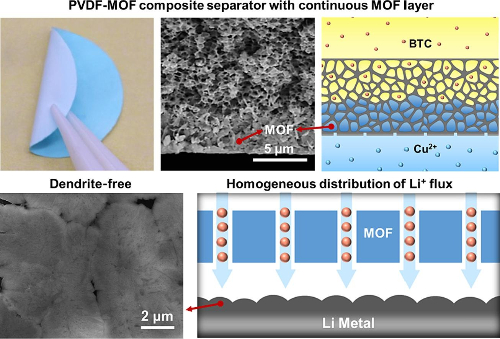
Fig. 11 PVDF-MOF Composite Separator with Continuous MOF Layer [5]
In the field of seawater desalination, membrane distillation (MD) has emerged as an alternative seawater desalination strategy that can largely reduce capital costs and energy consumption. In the MD process, almost 100% of the nonvolatile are removed and there is no limitation on the feed water concentration, whereas the pressure-driven reverse osmosis (RO) process has less potential for treating high salinity solutions with low water recovery. Volatile components are separated from the feed mixture utilizing a microporous hydrophobic membrane, and the system operates below the boiling point of the feed liquid. For MD applications, polymeric materials with low surface energy, high thermal stability, chemical stability, and inertness are often preferred. Polytetrafluoroethylene (PTFE) and Polyvinylidene Fluoride (PVDF) are considered the primary commercially available membrane materials for Vacuum Membrane Distillation (VMD) due to their high thermal stability and hydrophobicity. PVDF and PTFE are the optimal polymers for VMD applications due to their excellent chemical resistance and durability. These properties allow PVDF to withstand the aggressive chemical environments often encountered in VMD systems, ensuring long-term operational reliability. PTFE, on the other hand, plays a key role with its non-stick properties and excellent resistance to high temperatures. In VMD, PTFE helps improve membrane performance and effectively prevents fouling, thus ensuring unobstructed and efficient vapor transport throughout the membrane during distillation. In VMD applications, the synergistic use of PVDF and PTFE improves the durability, chemical resistance, and operational efficiency of the overall membrane system.
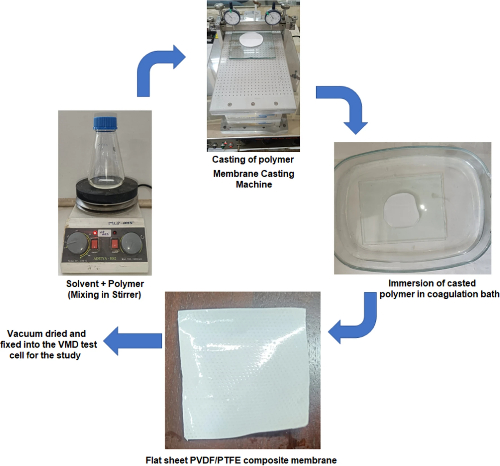
Fig. 12 Flow Chart on Preparation of Microporous PVDF-PTFE Composite Membrane [6]
8 Conclusion
Filter membranes made of different materials are used in different fields due to their different characteristics and can be selected according to different needs in addition to the basic filtration process. Stanford Advanced Materials (SAM) can not only provide a wide range of filtration membrane products but also provide professional selection advice, which you can consult immediately.
Related Reading:
References:
[1] Khayet M ,Feng C ,Khulbe K , et al. Preparation and characterization of polyvinylidene fluoride hollow fiber membranes for ultrafiltration[J]. Polymer,2002,43(14).
[2] Li M ,Cheng S ,Zhang J , et al. Poly(vinylidene fluoride)-based composite membranes with continuous metal–organic framework layer for high-performance separators of lithium-ion batteries[J]. Chemical Engineering Journal,2024,487.
[3] Hu W ,Zhang F ,Tan X , et al. Antibacterial PVDF Coral-Like Hierarchical Structure Composite Film Fabrication for Self-Cleaning and Radiative Cooling Effect.[J]. ACS applied materials & interfaces,2024.
[4] Wei Y ,Li K ,Li P , et al. Enhanced ceramic membranes filtration by PS pre-Oxidation with CuO assisted FeSO4 catalytic for NOM removal in drinking water treatment[J]. Separation and Purification Technology,2024,345.
[5] Ceramic membranes and their application in food and beverage processing[J]. Filtration and Separation,2000,37(3).
[6] Mala M M ,S. S ,S. F , et al. Sea and brackish water desalination through a novel PVDF-PTFE composite hydrophobic membrane by vacuum membrane distillation[J]. Discover Chemical Engineering,2024,4(1).
 Chin Trento