Products
 Bars
Bars
 Beads & Spheres
 Bolts & Nuts
 Crucibles
 Discs
Discs
 Fibers & Fabrics
 Films
Films
 Flake
Flake
 Foams
Foams
 Foil
Foil
 Granules
 Honeycombs
 Ink
Ink
 Laminate
 Lumps
Lumps
 Meshes
 Metallised Film
 Plate
Plate
 Powders
 Rod
Rod
 Single Crystals
 Sputtering Target
 Tubes
Tubes
 Washer
 Wires
Wires
 Converters & Calculators
 Write for Us



Electronic Materials: Types and Examples

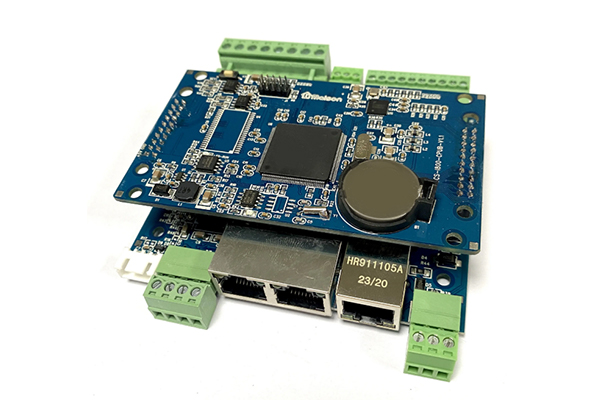
Electronic materials form the backbone of modern devices. They are the building blocks for circuits, processors, displays, and many other components. In this article, you will find a gentle overview of common types and detailed examples.
Types of Electronic Materials
Every electronic material has its own role in a device or circuit. We can group them into a few main categories. These groups include conductor materials, semiconductor materials, isolator materials, and magnet materials. Each group has unique properties and applications. For example, conductors carry electric current with ease while semiconductors help in controlling current flow. Isolators prevent unwanted current leakage and protect small electronic parts. Magnets are used in many devices to create or control magnetic fields. With these very clear uses, each category plays a distinct part in electronic applications.
Classification of Conductor Materials
Conductor materials let electricity pass through them easily. The most common examples are metals. Copper remains the favorite choice for wiring because it has low resistance. Many engineers use aluminum in power lines because it is light and cost effective. Silver and gold also serve as conductors, though they are used less often because of their price. In everyday devices, circuits often feature these metals. In high-frequency applications, copper shows excellent performance. Mechanical parts of computers and cars alike may incorporate metallic connections that have been studied for many decades.
Classification of Semiconductor Materials
Semiconductor materials have electrical conductivity between that of a conductor and an isolator. Silicon is the best-known semiconductor. It forms the heart of integrated circuits and computer chips. Germanium is another material that has been used for many years. Compound semiconductors, like gallium arsenide, offer distinct advantages when high speed is required. These materials are found in microwave circuits and light-emitting diodes. In a typical semiconductor, small changes in impurities can lead to big changes in performance. This property makes them ideal for controlling the flow of electric current. Many everyday devices make use of semiconductors because they can be carefully adjusted for the right performance.
Classification of Isolator Materials
Isolator materials, sometimes called insulators, hold back electric current. They prevent unwanted flow between parts in a device. Glass, plastic, and ceramics are common isolators. Plastics are used in many cable coatings. Ceramics work well in high-temperature environments. They are found in devices meant for power distribution and electronic circuits. Glass is often used in high-frequency applications. These materials are studied for their ability to stand strong against electrical stress. In various industries, isolators improve safety and performance.
Classification of Magnet Materials
Magnet materials produce a force that attracts or repels. They come in many subcategories. Ferromagnetic materials, like iron and its alloys, are the most common magnets in use today. Their properties are vital in motors, transformers, and data storage devices. Other magnets include rare-earth compounds like neodymium magnets that provide strong magnetic fields in a small size. Ferrimagnetic and antiferromagnetic materials are also important in specialty devices. In devices like speakers and electric motors, these materials contribute to efficiency and power. A proper choice of magnetic material depends on the specific case or mechanical setup. Engineers have refined their use over many years for better performance.
Conclusion
Electronic materials shape our daily lives. They are present in every gadget from the smallest sensor to the biggest power transformer. Conductors, semiconductors, isolators, and magnets each play vital roles. A good choice of material leads to smoother operations. Simple tests and long-term studies help ensure proper performance. Years of hands-on experience in labs continue to guide better practices.
Frequently Asked Questions
F: What are conductors used for in electronics?
Q: Conductors are used to carry electrical current within circuits and electronic devices, enabling them to function properly.
F: How does silicon benefit semiconductor devices?
Q: Silicon is essential in semiconductor devices because it helps control the flow of electric current, making it the foundation for components like computer chips.
F: Why are insulating materials important in electronics?
Q: Insulators are crucial for preventing electrical leakage and ensuring that sensitive parts of electronic devices remain safe and unaffected by stray currents.
F: What is the role of semiconductors in electronics?
Q: Semiconductors control electrical current flow and are used to create components like transistors, diodes, and solar cells, which are integral to modern electronic devices.
F: How do magnetic materials contribute to electronic devices?
Q: Magnetic materials are used in components like transformers, inductors, and hard drives, where they help store data, control electrical signals, and manage power efficiently.
 Chin Trento