
 Products
 Bars
Bars
 Beads & Spheres
 Bolts & Nuts
 Crucibles
 Discs
Discs
 Fibers & Fabrics
 Films
Films
 Flake
Flake
 Foams
Foams
 Foil
Foil
 Granules
 Honeycombs
 Ink
Ink
 Laminate
 Lumps
Lumps
 Meshes
 Metallised Film
 Plate
Plate
 Powders
 Rod
Rod
 Single Crystals
 Sputtering Target
 Tubes
Tubes
 Washer
 Wires
Wires
 Converters & Calculators
 Write for Us



Alumina-Based Materials for Advanced Solar Thermal Energy Systems

Overview of solar thermal energy conversion technology
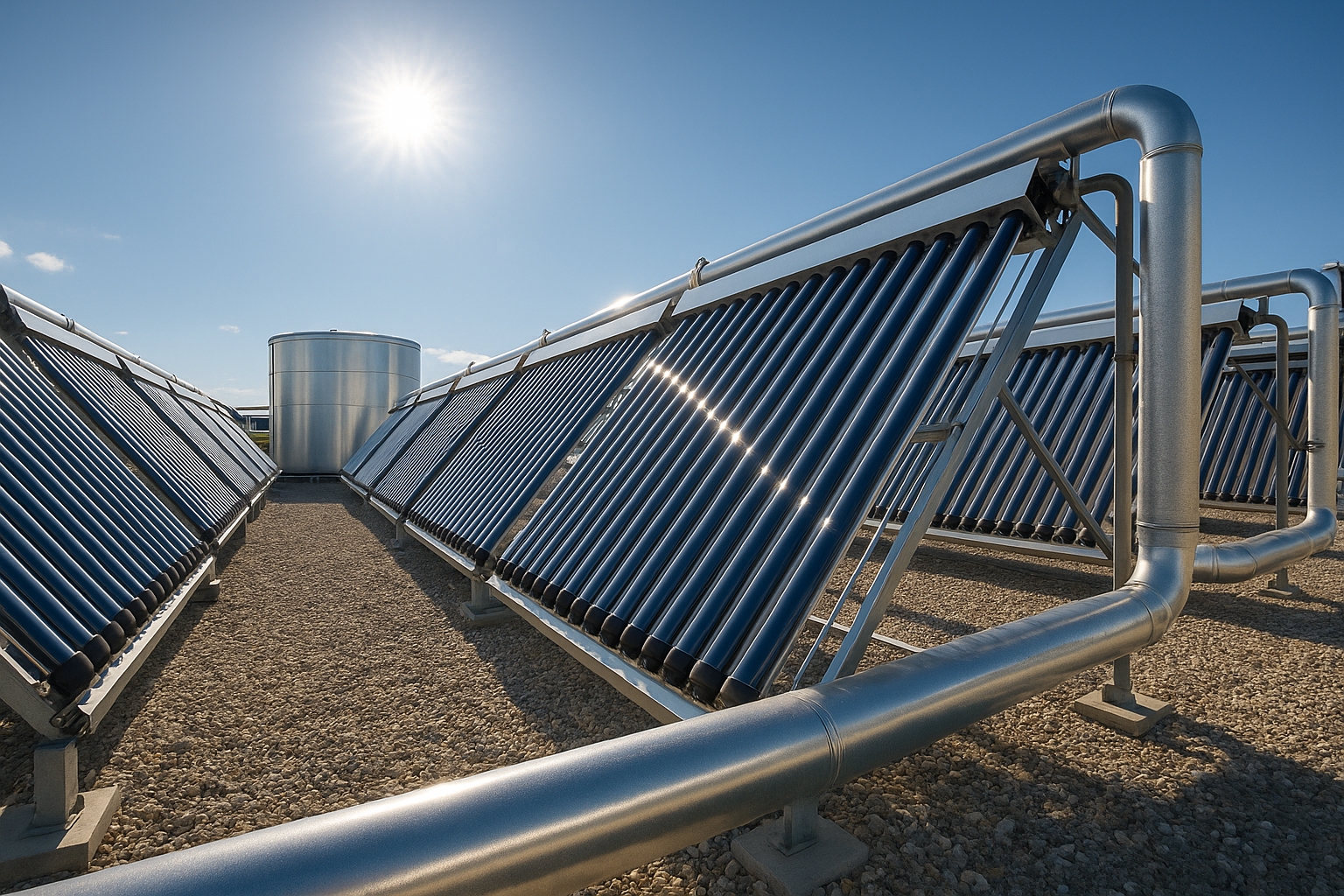
Solar thermal energy systems convert sunlight into heat. This heat may be used for power production or industrial processes. The systems use mirrors or lenses to focus sunlight onto a receiver. The receiver absorbs the heat. The heated fluid transfers the energy to a power cycle or a thermal storage system. The basic design of these systems is simple. Yet, they must work under very high temperatures. To work well, each component must be very reliable. Over many years, even small failures can reduce overall performance. This field has grown in importance as people seek clean and renewable power sources.
Importance of materials with high thermal stability and durability
In solar thermal systems, the materials are exposed to heat and stress. They must hold up under temperatures that can reach over 500 degrees Celsius. Some parts see even higher temperatures. Materials with high thermal stability do not change or break down quickly. They can keep working for a long time. Durability means that the parts do not need frequent replacement. This saves money and reduces waste. In harsh environments, a small failure can lead to major losses. Engineers look for materials that stand strong no matter how hard things get. They need materials that do not warp, crack, or degrade when heated.
Role of alumina ceramics in enhancing solar thermal system performance
Alumina ceramics, also called aluminum oxide ceramics, have been used in many high-temperature applications for long years. They stand up well to rapid temperature changes. They have a strong resistance to wear and corrosion. These ceramics keep working even after long periods at high heat. In solar thermal systems, alumina ceramics are used as structural parts or as coatings. They help keep the heat evenly distributed. This timely heat management improves efficiency. The ceramics also protect other parts from the harsh thermal environment. Their strong performance makes them a preferred choice in the construction of solar thermal receivers and heat exchangers.
Key Properties of Alumina Ceramics for Solar Thermal Applications
Alumina ceramics come with many useful properties. Their high melting point is one strong point. Typically the melting point is above 2000 degrees Celsius. They also have excellent hardness and wear resistance. Their resistance to corrosion in both oxidizing and reducing conditions is another plus. For example, in experiments, alumina parts have been tested at temperatures over 1200 degrees Celsius. Their performance remains steady. In addition, alumina ceramics are electrically insulating. This limits the chance of electrical faults in the system. Their low thermal expansion is beneficial for preventing thermal shock. This low expansion means that the material will not crack when heated and cooled in rapid cycles.
Applications of Alumina Ceramics in Solar Thermal Systems
Engineers use alumina ceramics in many parts of solar thermal systems. One common use is in the construction of the receiver tubes. These tubes transport the heated fluid. Their wall must resist high temperatures and rapid changes in temperature. Alumina ceramics have proven well suited for this job.
In another case, alumina ceramic coatings are applied to metal surfaces. These coatings help protect the metal from oxidation.
Alumina parts have also been used in heat exchangers. They provide a long-lasting barrier while transferring heat effectively. Some solar plants have used alumina-based components in concentrated solar power mirrors. These components help manage harsh weather conditions such as sand and dust.
Many studies have shown that alumina ceramics reduce downtime because of their durability. The reliability of alumina parts makes control and maintenance easier for operators. For more information, please check Stanford Advanced Materials (SAM).
Conclusion
Alumina ceramics play a significant role in advanced solar thermal energy systems. They show high resistance to heat, wear, and corrosion. Their ability to handle high temperatures and rapid thermal changes makes them an ideal candidate for key system parts. With systems that depend on reliability, alumina-based materials offer a good solution to common challenges.
The properties of alumina ceramics help improve efficiency. These materials also lower maintenance costs. The future of solar thermal energy looks promising with alumina ceramics as part of the overall design. Their presence helps ensure that renewable energy sources can be used more efficiently and cost effectively.
Frequently Asked Questions
F: What makes alumina ceramics suitable for solar thermal
systems?
Q: They hold up under high temperatures, resist wear and corrosion, and handle
rapid heating and cooling.
F: How do alumina ceramics improve system efficiency?
Q: They maintain even heat distribution and protect other components from
thermal stress.
F: Can alumina ceramics reduce maintenance costs in solar
plants?
Q: Yes, their durability lowers the need for frequent part replacement and
repairs.
 Chin Trento