
 Products
 Bars
Bars
 Beads & Spheres
 Bolts & Nuts
 Crucibles
 Discs
Discs
 Fibers & Fabrics
 Films
Films
 Flake
Flake
 Foams
Foams
 Foil
Foil
 Granules
 Honeycombs
 Ink
Ink
 Laminate
 Lumps
Lumps
 Meshes
 Metallised Film
 Plate
Plate
 Powders
 Rod
Rod
 Single Crystals
 Sputtering Target
 Tubes
Tubes
 Washer
 Wires
Wires
 Converters & Calculators
 Write for Us



Silver-Based Composite Targets for Energy-Efficient Architectural Glass

Introduction
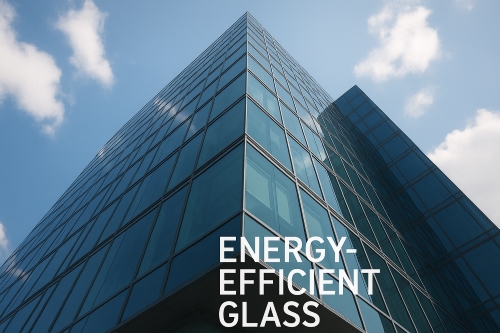
Silver-based composite targets are currently a popular choice in the production of energy-efficient architectural glass. The technology is highly celebrated for its efficiency and performance.
Properties of Silver-Based Composite Targets
Silver composite targets possess some distinctive characteristics that set them apart. They are highly reflective and highly conductive. Testimony shows that silver thin films can reflect over 95% of infrared radiation. This means that when applied as coatings to glass, less heat is conveyed.
Physical properties include high thermal conductivity. Silver transfers heat easily along its surface. This averts overheating of the structure. Chemically, silver is resistant to corrosion under normal conditions. Such properties make it suitable for building facades which face fluctuating weather conditions.
A good example is use in glass coatings to prevent ultraviolet radiation from penetrating interior rooms without affecting clarity. The silver layer is less than 100 nanometers thick in some use, yet the performance is good. Its use in office facilities and hospitals as a case study illustrates how such a coating conserves energy significantly. The advantages are manifested through reduced cooling costs during summer and less heating demands during winter.
Manufacturing Processes
Silver composite target fabrication follows advanced processes. Various techniques facilitate the integration of silver layers into composite materials. One of the preferred methods involves sputtering, in which thin films are deposited on a substrate.
Sputtering is carried out in a vacuum chamber. A silver target is bombarded with ions that discharge silver atoms onto the glass surface. This provides an uniform, adherent coating. Physical vapor deposition is another technique commonly employed. This technique provides the most control over the layer thickness.
There exists accurate temperature and environment control required for production. Quality inspection is paramount. The final product must be in its best reflectivity and conductivity state. There are many successful applications that apply these techniques and modify the process to suit different architectural applications.
Architectural Glass Coatings Applications
Architectural glass coatings using silver-based composite targets are common. The main purpose of the composite is reflection of infrared radiation. This helps reduce indoor heat gain in summer as well as follow-up cooling. Under cold weather, the coating helps keep interior warmth, reducing the need for additional warmth.
In skyscrapers and big office buildings, they have been widely utilized. A perfect illustration is a corporate office building whose energy usage decreased by nearly 20% after the application of energy-saving glass coatings. Private homes also benefit from increased comfort and lower energy bills.
The composite coatings not just function efficiently but also improve aesthetic values. These glass products have been chosen by many modern-day architects to create elegant facades. The construction sector has made use of these coatings for over a decade. They have even been utilized in tinted windows and specialized glass applied in museums that require controlled illumination.
Benefits of Applying Silver-Based Composite Targets
Advantages of employing silver-based composite targets in glass architecture are numerous. They provide a balance between natural daylight and energy efficiency. The targets reflect unnecessary heat without tanning the glass.
The materials are durable and maintain high performance over long intervals. The majority of installations have shown less than 5% performance degradation even after years of operation. Maintenance is generally minimal in comparison to other coating technologies.
The second advantage is the lower carbon footprint from decreased energy consumption. The buildings' indoor temperatures are steadier, and this means lower bills for heating and cooling. In some studies, the savings in energy have been established as significant during the lifespan of the building.
Besides, the silver composite layers are very slender. They make little contribution towards the overall weight of the glass panels, leaving the structural integrity of the building intact. Such benefits make silver-based composites a sustainable solution for modern, green building frames.
Conclusion
Silver-based composite targets are a novel approach to energy-efficient architectural glass. They provide high reflectance, good thermal control, and durability. The manufacturing techniques, including sputtering and physical vapor deposition, assist in achieving requirements for coatings.
The technology can save energy in large business buildings and small residential buildings. Energy costs are reduced, and indoor comfort maximized for building owners and architects. The technology has a promising future since businesses are increasingly opting for green building methods. For more information, please check Stanford Advanced Materials (SAM).
Frequently Asked Questions
F: Do silver-based composite coatings reduce energy costs?
Q: Indeed, they minimize heating and cooling loads and hence reduce energy bills.
F: Is the coating durable in extreme climates?
Q: Yes, the coating is made to handle fluctuating weather patterns.
F: Do these coatings work with any type of glass?
Q: Yes, they are applicable with most glass types and facilitate energy efficiency in all applications.
 Chin Trento