
 Products
 Bars
Bars
 Beads & Spheres
 Bolts & Nuts
 Crucibles
 Discs
Discs
 Fibers & Fabrics
 Films
Films
 Flake
Flake
 Foams
Foams
 Foil
Foil
 Granules
 Honeycombs
 Ink
Ink
 Laminate
 Lumps
Lumps
 Meshes
 Metallised Film
 Plate
Plate
 Powders
 Rod
Rod
 Single Crystals
 Sputtering Target
 Tubes
Tubes
 Washer
 Wires
Wires
 Converters & Calculators
 Write for Us



What Are the Applications of Titanium Fiber Felt?

Introduction
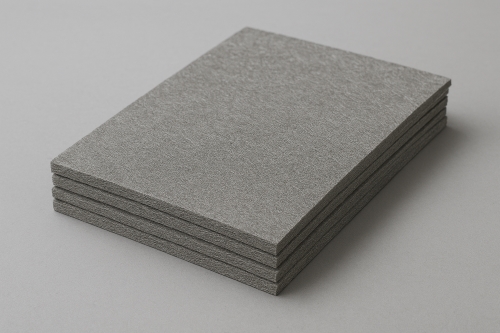
Titanium fiber felt is a superior material that has risen to fame in many industries. The material is light and strong. The fibers are suitable for building a network that is long-lasting and flexible. Many engineers and researchers love this material. Its composition helps in use where high-temperature resistance and chemical stability are needed. This article explores the use of titanium fiber felt in various industries.
Fuel Cells and Gas Diffusion Layers
Titanium fiber felt is used in fuel cells. It is efficient to employ in the gas diffusion layers. The layers help regulate the way gases flow within the cell. In a standard fuel cell, the felt disperses the gas evenly. This effect causes the reactions to be more efficient. In proton exchange membrane fuel cells, the felt supports the membrane and keeps it in place during the flow of gas. Its porous nature plays a key role in pressure equalization and the distribution of fuel. This leads to improved performance of the fuel cell unit even under varying conditions.
High-Temperature Filtration
High-temperature filtration is another important use. Factory plants utilize it in filtering hot gases. Titanium fiber felt is also heat-resistant. Impurities and particles need to be removed in heat processes. The felt can endure 700°C to 1000°C. Its resistance to oxidation and chemical attack makes it possible in severe conditions. Some industrial furnaces utilize these filters to provide clean air. The simplicity and durability of the material make it a bestseller in filtration systems.
Thermal Insulation and Heat Shields
Another function of titanium fiber felt is thermal insulation and heat shields. A light shield protection is needed in processes that generate intense heat. Titanium fiber felt is a heat shield in countless various applications. In aerospace technology, for example, it is used in parts exposed to a high level of heat during takeoff or re-entry. High-performance engine vehicles also utilize the felt as a material for insulation. The fibers slow down heat transfer. Its porous structure is what leads to it trapping air, which then forms the insulation effect. This protects sensitive parts from harsh temperatures.
Catalysis Support
Titanium fiber felt also functions as an effective support for catalysts. Catalysts work best when they have a high surface area. The technology provides multiple points of contact for chemical reaction. In petrochemical processing, the catalyst particles are supported on the felt surface. This increases the rate and efficiency of reaction. Chemical resistance avoids degrading the catalyst over time. In some applications, the felt can be used in reactors to aid in the processing of raw materials into products. Titanium fiber felt structure facilitates more efficient catalytic processes.
Acoustic Damping and Control of Vibration
Besides thermal and chemical applications, titanium fiber felt is also applicable for acoustic damping and vibration control. In equipment and industry, vibration and noise may be sources of concern. The felt absorbs some of the vibrations. This is what damps out unwanted levels of noise. Its fiber structure can convert mechanical energy into a less disturbing form. Automatic machinery and assembly lines apply the felt in improving working environments. This use of titanium fiber felt helps in offering enhanced safety and comfort in working environments.
Biomedical Applications
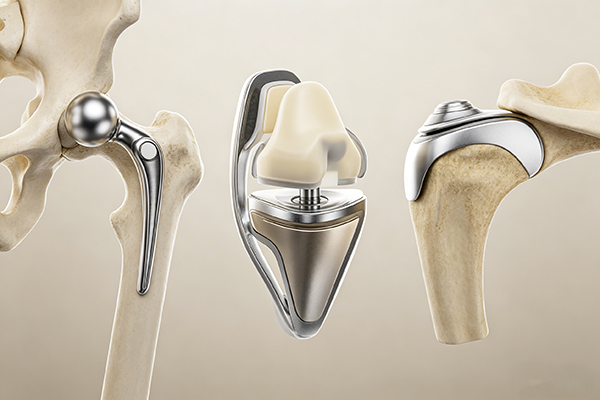
Biomedical applications have also discovered uses for titanium fiber felt. Its biocompatibility is among the most significant characteristics in medical use. Devices made using this material can be used in implantable devices. For instance, in bone implants, titanium fiber felt can be used as a scaffold that supports tissue growth. Its open structure provides room for the bone cells to be attached. In some other uses, the felt is mixed with other materials to create devices that are tough but gentle on the human body. It is used by medical engineers and surgeons to reduce inflammation and encourage bone growth.
Other Industrial Uses
Titanium fiber felt has other industrial uses as well. It is used in electromagnetic shielding in sensitive devices. The design of the felt prevents extraneous signals. It is used as a barrier against corrosive chemicals in chemical processing plants. Some food and beverage filtration systems use the material to keep liquids and gases from contamination. Titanium fiber felt, with its resistance to chemical attack and high-temperature capability, is a reliable choice. Industries requiring a combination of strength, versatility, and lightness use this material very much.
Conclusion
Titanium fiber felt is a strong material. It maintains stable fuel cells and removes impurities in high-temperature processes. It also thermally insulates, maintains catalysts, and absorbs noise in industrial processes. In medicine, its biocompatibility causes it to be an appropriate implant or scaffold option. Its many other industrial uses further validate its value. With strength, resistance, and lightness combined, titanium fiber felt remains at the heart of many modern applications.
Frequently Asked Questions
F: In which industries is titanium fiber felt used?
Q: It is used in energy, filtration, aerospace, biomedical, and electronic industries.
F: At what high temperature can titanium fiber felt be used?
Q: It can operate at temperatures from 700°C to 1000°C in most applications.
F: Is titanium fiber felt safe to use in medical implants?
Q: Yes, because of its biocompatibility, it is safe to use in bone implants and tissue scaffolds.
 Chin Trento