
 Products
 Bars
Bars
 Beads & Spheres
 Bolts & Nuts
 Crucibles
 Discs
Discs
 Fibers & Fabrics
 Films
Films
 Flake
Flake
 Foams
Foams
 Foil
Foil
 Granules
 Honeycombs
 Ink
Ink
 Laminate
 Lumps
Lumps
 Meshes
 Metallised Film
 Plate
Plate
 Powders
 Rod
Rod
 Single Crystals
 Sputtering Target
 Tubes
Tubes
 Washer
 Wires
Wires
 Converters & Calculators
 Write for Us



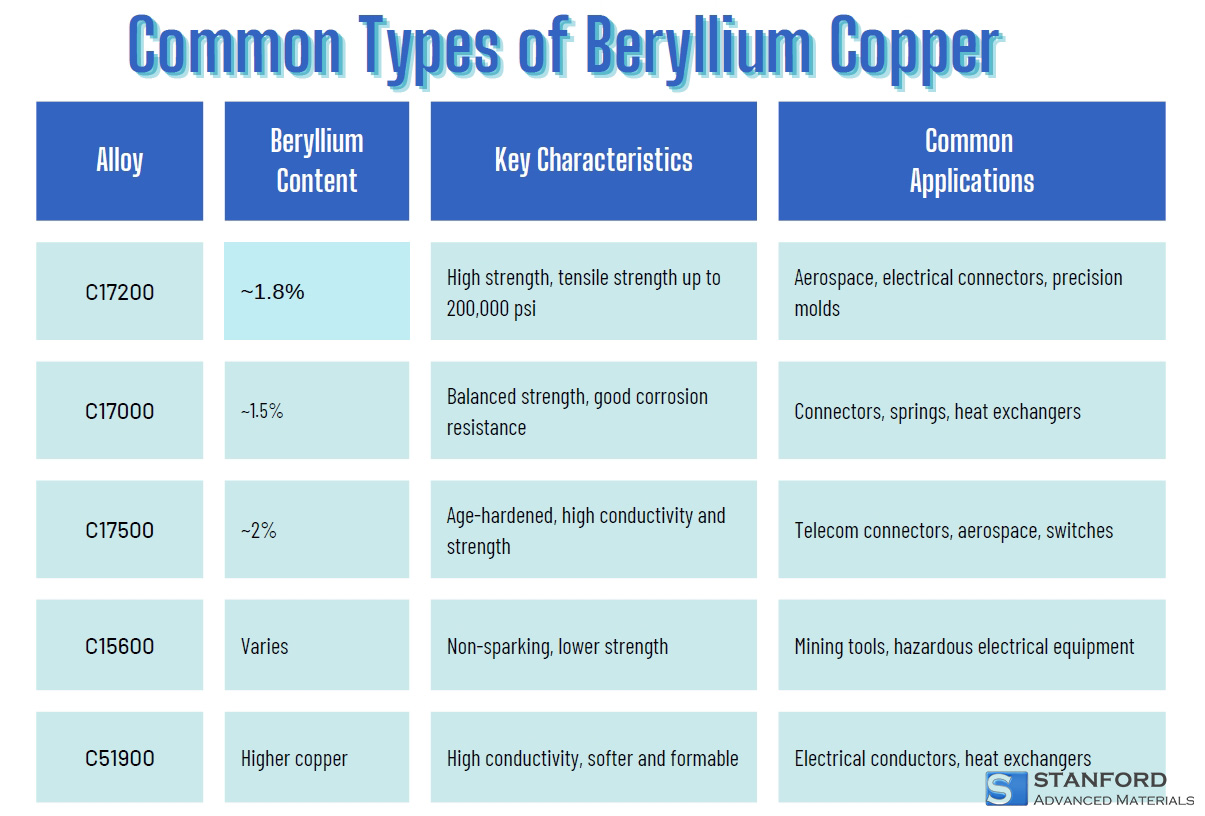
Common Types of Beryllium Copper

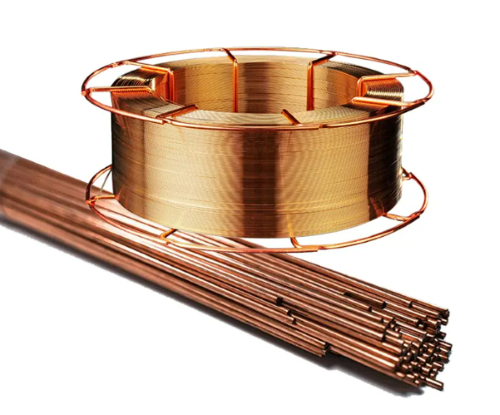
Beryllium copper (BeCu) is a high-performance alloy known for its combination of strength, conductivity, and corrosion resistance. It is widely used in various industries, including aerospace, electronics, and manufacturing. Let’s learn about the characteristics, classification, applications, and manufacturing of beryllium copper alloy.
Characteristics of Beryllium Copper Alloy
Beryllium copper alloy is distinct due to its high strength, excellent conductivity, and outstanding resistance to wear and corrosion. The alloy typically contains 0.5% to 3% beryllium, with the remainder being copper.
- High Strength and Hardness: BeCu can be precipitation-hardened to attain a tensile strength comparable to that of steel while retaining its non-magnetic properties.
- Good Electrical and Thermal Conductivity: While not as conductive as pure copper, BeCu offers a balance of conductivity and mechanical strength, making it ideal for electrical connectors.
- Corrosion and Fatigue Resistance: This alloy resists environmental degradation, making it suitable for marine and aerospace applications.
- Non-Sparking and Non-Magnetic Properties: These characteristics make BeCu essential in explosive or sensitive electronic environments.
Classification of Beryllium Copper Alloy
Beryllium copper (BeCu) is an alloy of copper containing a small percentage of beryllium, typically ranging from 0.4% to 2%. Below are the main types of beryllium copper alloys and their specific applications:
1. C17200 (High-Strength Beryllium Copper)
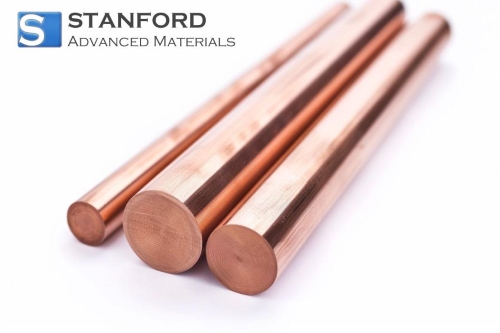
This is the most commonly used type of beryllium copper, offering the highest strength and hardness of all the BeCu alloys. C17200 contains about 1.8% beryllium, providing excellent tensile strength (up to 200,000 psi) and fatigue resistance. It is commonly used in applications requiring high strength and wear resistance, such as in aerospace components, electrical connectors, and precision molds.
2. C17000 (Medium-Strength Beryllium Copper)
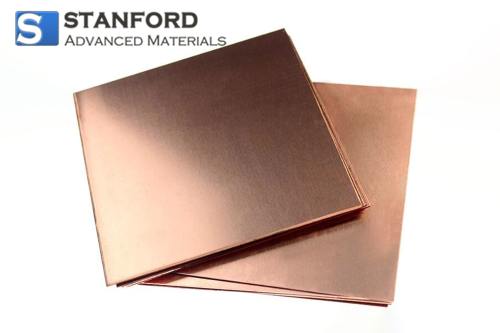
C17000 is a lower-strength beryllium copper alloy, containing around 1.5% beryllium. It offers a good balance between strength, conductivity, and ease of fabrication. While not as strong as C17200, it provides superior corrosion resistance and is easier to work with, making it ideal for applications including electrical connectors and terminals, springs and flexible connectors, and heat exchangers.
3. C17500 (Age-Hardened Beryllium Copper)
C17500 is another high-strength alloy that undergoes aging to achieve maximum strength. It contains approximately 2% beryllium, which makes it suitable for demanding applications that require both high conductivity and high strength. The aging process enhances the material’s hardness and electrical conductivity, making it ideal for telecommunication connectors, aircraft and aerospace components, high-performance switches and relays, etc.
4. C15600 (Beryllium Copper for Non-Sparking Applications)
C15600 is a type of beryllium copper alloy designed specifically for use in environments where there is a risk of spark generation. This alloy has slightly lower strength than C17200 and C17500 but offers better performance in non-sparking environments, making it ideal for use in explosive or hazardous areas. Applications include mining tools and equipment, electrical equipment in hazardous environments, and non-sparking hand tools.
5. C51900 (Beryllium Copper with High Conductivity)
C51900 is a beryllium copper alloy that has a higher copper content and is designed for applications requiring excellent electrical conductivity. It is a softer and more formable alloy compared to the high-strength varieties, offering a good balance between electrical performance and mechanical properties.
Summary Table: Common Types of Beryllium Copper
Applications of Beryllium Copper Alloy
Given its superior properties, beryllium copper is employed in a wide range of industries:
- Electronics and Electrical Industry: Used in connectors, switches, and relay components due to its excellent conductivity and strength.
- Aerospace and Defense: Ideal for aircraft bearings, bushings, and structural components due to its fatigue resistance and lightweight properties.
- Oil and Gas Industry: Non-sparking tools made of BeCu are used in hazardous environments to prevent ignition risks.
- Automotive Industry: Applied in sensors, terminals, and anti-lock braking systems for its durability and corrosion resistance.
- Medical Equipment: Used in MRI-compatible tools and precision instruments due to its non-magnetic nature.
Manufacturing of Beryllium Copper Alloy
The production of beryllium copper involves several key processes:
- Melting and Casting: Copper and beryllium are melted together in a controlled environment to prevent oxidation. The alloy is then cast into billets or slabs.
- Hot and Cold Working: The cast material undergoes rolling, extrusion, or forging to achieve the desired shape and mechanical properties.
- Solution Annealing: The alloy is heated to dissolve beryllium into the copper matrix, ensuring uniform distribution.
- Precipitation Hardening (Aging Process): The material is heat-treated to enhance its strength and hardness.
- Final Processing: The finished alloy is machined, formed, and coated based on its intended application.
Conclusion
Whether you require high strength, excellent conductivity, or resistance to corrosion and sparking, beryllium copper offers solutions for a wide range of demanding applications across multiple industries. As technology and manufacturing processes evolve, beryllium copper will undoubtedly continue to play a crucial role in advanced applications. For more details and technical support, please check Stanford Advanced Materials (SAM).
 Chin Trento