

 Products
 Bars
Bars
 Beads & Spheres
 Bolts & Nuts
 Crucibles
 Discs
Discs
 Fibers & Fabrics
 Films
Films
 Flake
Flake
 Foams
Foams
 Foil
Foil
 Granules
 Honeycombs
 Ink
Ink
 Laminate
 Lumps
Lumps
 Meshes
 Metallised Film
 Plate
Plate
 Powders
 Rod
Rod
 Single Crystals
 Sputtering Target
 Tubes
Tubes
 Washer
 Wires
Wires
 Converters & Calculators
 Write for Us



ASTM E70: Standardizing pH Measurement with Glass Electrodes

Introduction
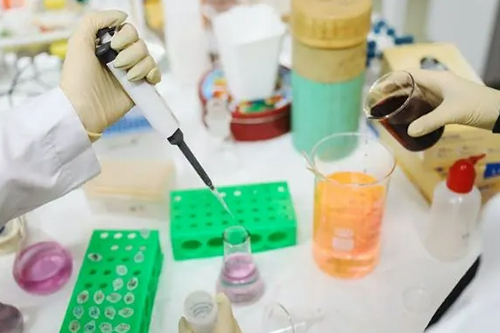
Accurate pH measurement is fundamental in numerous scientific and industrial processes. ASTM E70 provides a standardized approach to using glass electrodes for pH determination, enhancing the precision and reliability of results across different settings. This standard is essential for laboratories, manufacturing facilities, and research institutions that require consistent pH measurements.
Summary of ASTM E70 Standard
1. Scope and Purpose
- Purpose: To provide a standardized method for determining the pH of aqueous solutions using a glass electrode and a suitable pH meter.
- Applications: Commonly used in water testing, environmental monitoring, chemical manufacturing, pharmaceuticals, and food processing.
2. Equipment and Materials
The test requires:
| Item | Description |
|---|---|
| pH Meter | A device that measures pH with a resolution of at least ±0.01 pH units. |
| Glass Electrode | A pH-sensitive electrode used to measure hydrogen ion activity. |
| Reference Electrode | Often integrated with the glass electrode into a single probe. |
| Buffer Solutions | Standard solutions with known pH values (e.g., pH 4.00, 7.00, and 10.00) for calibration. |
3. Procedure
1. Calibration of pH Meter:
- Use at least two standard buffer solutions that bracket the expected pH range of the sample.
- Adjust the meter to match the known pH values of the buffers.
- Perform calibration at the same temperature as the sample, as pH is temperature-dependent.
2. Sample Preparation:
- Ensure the sample is homogeneous and free of debris.
- Measure the temperature of the solution, as this affects the electrode's response.
3. Measurement:
- Immerse the glass electrode and the reference electrode (or combination electrode) into the sample.
- Wait until the pH reading stabilizes before recording the result.
- Rinse the electrode with distilled or deionized water between measurements to avoid contamination.
4. Accuracy and Precision
To ensure accurate results, proper calibration and maintenance of the pH meter and electrode are essential. The standard recommends reporting pH values to two decimal places for precision.
5. Limitations
This method is intended for aqueous solutions only and is not suitable for non-aqueous or highly viscous liquids. The presence of certain chemicals, such as organic solvents or high salt concentrations, may interfere with electrode performance. Additionally, temperature fluctuations can affect readings, so temperature compensation is advised.
Comparison of pH Measurement Standards
|
Standard |
Electrode Type |
Applications |
Advantages |
Limitations |
|
ASTM E70 |
Glass |
Laboratories, pharmaceuticals |
High accuracy, wide range |
Sensitive to temperature changes |
|
ISO 10523 |
Combination |
Environmental testing, water quality |
Durable, less maintenance |
Slightly lower accuracy |
|
EPA Method pH |
Glass |
Environmental monitoring |
Established protocol, reliable |
Requires frequent calibration |
|
DIN 38412 |
ISFET |
Industrial processes, biotechnology |
Fast response, robust |
Higher cost, specialized equipment |
For more information, please check Stanford Advanced Materials (SAM).
Frequently Asked Questions
What is ASTM E70 used for?
ASTM E70 is used to standardize the use of glass electrodes for accurate pH measurements in various scientific and industrial applications.
Why are glass electrodes preferred for pH measurement?
Glass electrodes offer high accuracy, a wide pH range, and are suitable for most aqueous solutions, making them ideal for precise pH determination.
Can ASTM E70 be applied to all types of samples?
Yes, ASTM E70 is versatile and can be applied to a wide range of samples, including liquids in laboratories, industrial processes, and environmental monitoring.
What equipment is required for ASTM E70 testing?
The standard requires a calibrated glass electrode, a pH meter, standard buffer solutions for calibration, and temperature control equipment to ensure accurate measurements.
How does temperature affect pH measurements in ASTM E70?
Temperature can influence both the electrode response and the pH of the solution, so measurements must be conducted at controlled temperatures to maintain accuracy.

 Chin Trento