
 Products
 Bars
Bars
 Beads & Spheres
 Bolts & Nuts
 Crucibles
 Discs
Discs
 Fibers & Fabrics
 Films
Films
 Flake
Flake
 Foams
Foams
 Foil
Foil
 Granules
 Honeycombs
 Ink
Ink
 Laminate
 Lumps
Lumps
 Meshes
 Metallised Film
 Plate
Plate
 Powders
 Rod
Rod
 Single Crystals
 Sputtering Target
 Tubes
Tubes
 Washer
 Wires
Wires
 Converters & Calculators
 Write for Us



Copper: Element Properties and Uses

Description
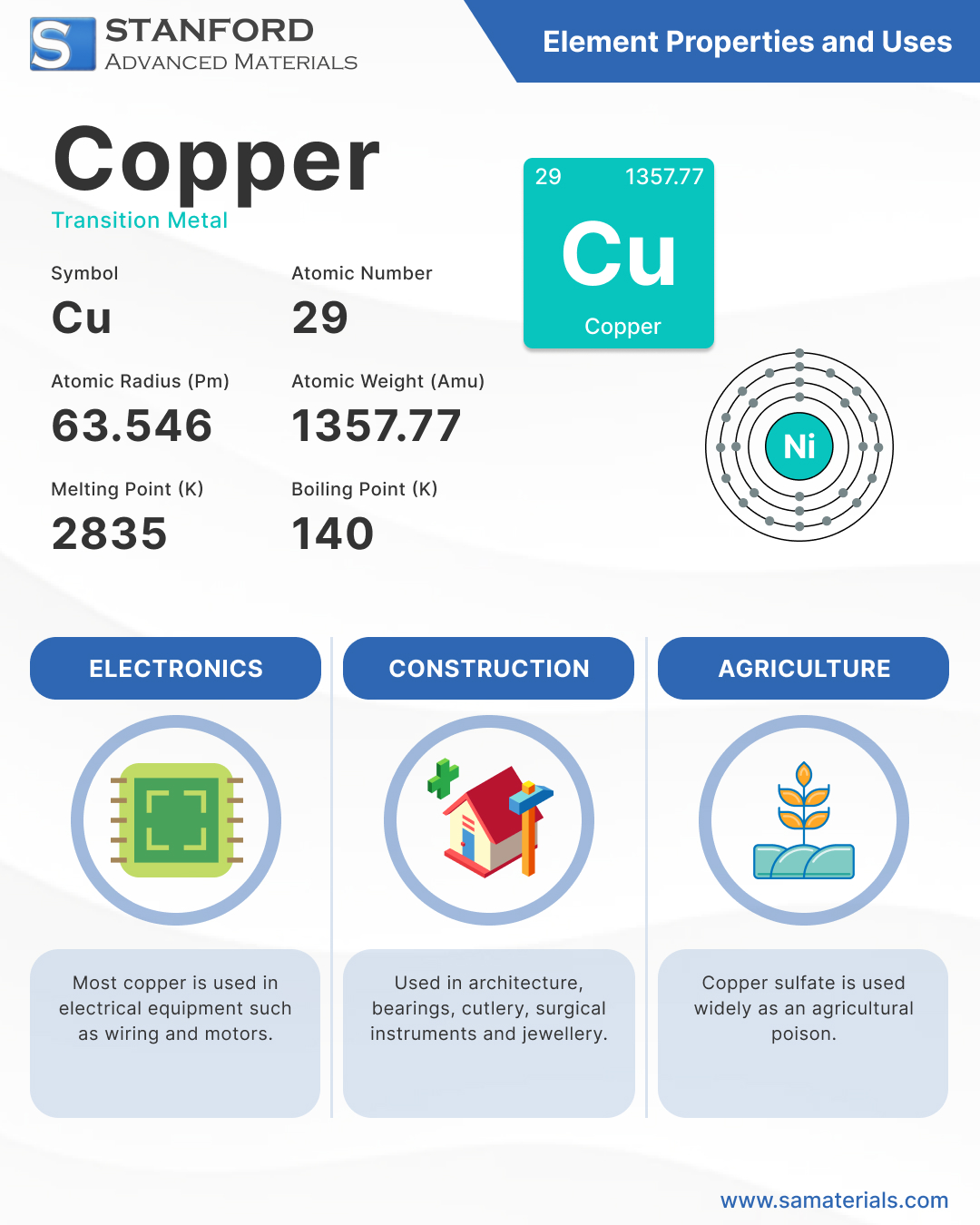
Copper is a reddish-brown, very conductive metal used widely in various industries of electronics, construction, and manufacturing, with applications mostly stemming from electrical wiring, plumbing, and multiple alloys.
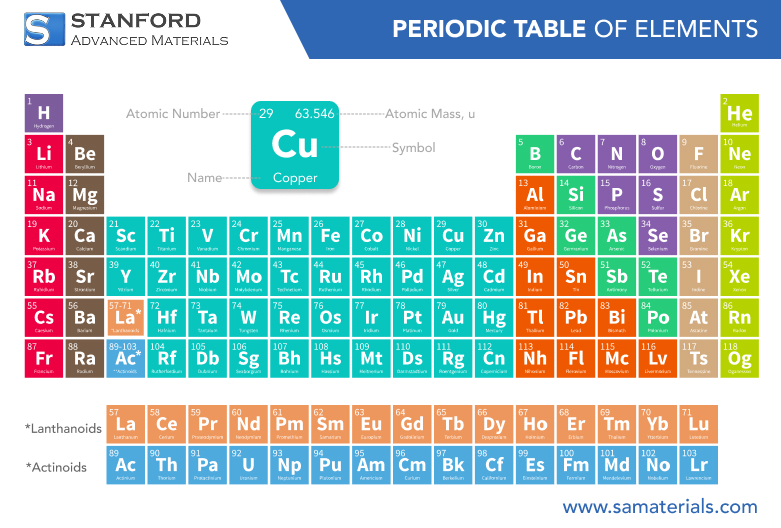
Chemical Properties of Copper
Copper is renowned for the great number and variety of its chemical compounds, such as CuO (copper(II) oxide), CuSO₄ (copper(II) sulfate), and CuCl (copper(I) chloride). Patina, which is a greenish layer formed on copper and its alloys, starting when the metal is exposed to air, is especially resistant to corrosion. This kind of patina protects a layer of metal beneath it from further destruction.
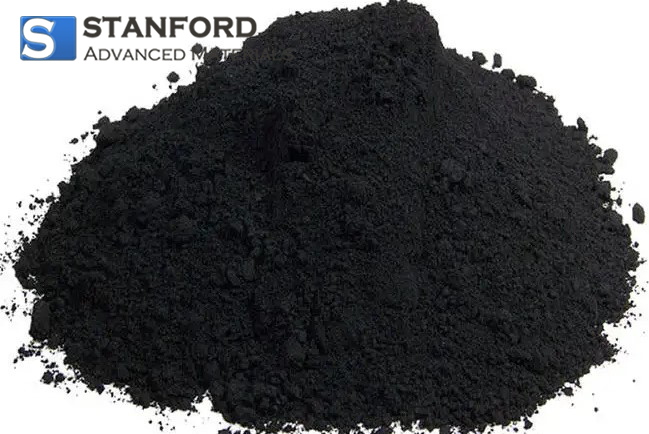
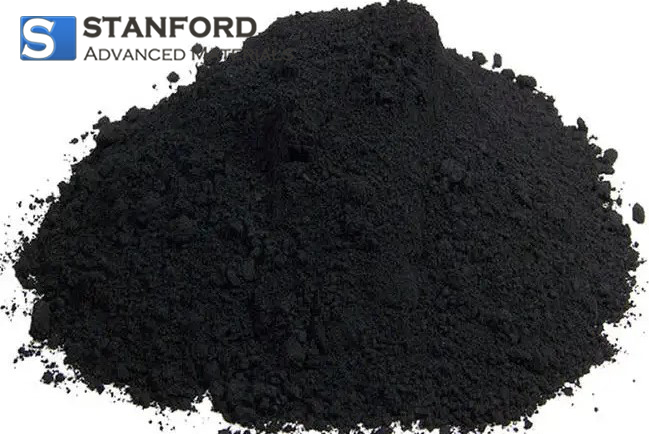
Copper exhibits two primary oxidation states: +1 (Cu⁺) and +2 (Cu²⁺). While copper(II) compounds are more commonly encountered, copper(I) compounds are less stable and tend to undergo oxidation more readily. When copper interacts with oxygen, it forms copper(II) oxide, which gives the metal a black coating. Over time, further exposure to air and carbon dioxide leads to the formation of copper carbonate, which is responsible for the characteristic green color seen on weathered copper surfaces, such as the Statue of Liberty.
Copper reacts with acids like dilute sulfuric acid and hydrochloric acid to form copper salt solutions, which have wide applications in industries, from electroplating to the preparation of agricultural chemicals.
Physical Properties of Copper
Copper's unique physical properties make it highly sought after for a wide range of applications. Its reddish-brown color is one of its distinguishing features. With a density of 8.96 g/cm³, copper is relatively dense compared to many other metals, giving it a solid, substantial feel. It has a high melting point of 1,085°C (1,984°F) and a boiling point of 2,562°C (4,639°F), making it suitable for use in high-temperature environments.
Probably the most well-known physical property of copper is its very high electrical conductivity, being second only to silver. For this reason, it is the standard material for electrical wiring. Its high thermal conductivity makes copper useful for heat exchangers and cooling systems.
Common Uses
With a wide range of useful properties, copper is indispensable in many industries.
- Electrical Wiring
The high conductivity of copper makes it the main material in electrical wiring for both residential and industrial use. From power grids to household circuits, copper is widely used in telecommunications because its efficiency minimizes energy loss during transmission.
- Plumbing
Copper pipes resist corrosion, are very durable, and possess antimicrobial properties; for that reason, they find popular applications in plumbing systems. The fact that copper withstands high temperatures and pressures makes it ideal for both hot and cold water systems.
- Construction
Copper is widely used in construction, especially for roofing work, and has better aesthetic appeal and a longer view. The copper roofing material is durable and resistant to corrosion, which has made it widely used in the building industry, both domestically and commercially. Copper wiring also finds extensive usage in the electrical systems of buildings.
- Alloys
Within engineering applications, copper is often alloyed with other metals to produce materials with improved properties. Copper alloys such as brass (a copper-zinc alloy) and bronze (a copper-tin alloy) have many applications, from coins and medals through to gears, valves, and musical instruments. The addition of other metals to copper strengthens it and generally imparts corrosion resistance and aesthetic appeal.
- Coinage
Copper has conventionally been used for minting coins, and its alloys are still used even at present times. However, even with today's rising inclination toward digitalized money, copper is still in action with coin minting due to its malleability and resisting corrosion.
Copper Extraction and Preparation Methods
There are two basic procedures for copper extraction from its ores: pyrometallurgy and hydrometallurgy.
Pyrometallurgical Process
Copper ores, by the pyrometallurgical method, are heated in a furnace to produce copper matte-a mixture of copper sulfide and iron sulfide. This is further refined to obtain pure copper. There are a number of steps involved: smelting and converting, after which comes electrorefining to get high-purity copper.
Hydrometallurgical Process
The hydrometallurgical process uses aqueous solutions, mostly sulfuric acid, to leach copper from ores. Copper is then separated from the solution by a process called solvent extraction, followed by electrowinning to produce refined copper. This is an alternative mainly used when mining low-grade ores or in cases where the pyrometallurgical process would not be viable.
Extracted copper is then purified by electrolysis, wherein an electric current is passed through a copper solution to result in a high-purity copper.
Related Industrial Products
Copper is highly instrumental in providing a variety of industrial products, some of these are:
- Copper is essential in electrical transmission and telecommunications. Copper wires and cables are widely used in electric circuits, power transmission lines, and networking systems.
- It is used in the production of electronic circuits, mainly in printed circuit boards. Its high conductivity ensures that the performance of electronic devices is efficient.
- Examples of such alloys include brass (copper and zinc) and bronze (copper and tin), used in the manufacture of parts that require strength, durability, and resistance to corrosion. Applications vary widely-from art, housing, and household artifacts to bridges, ships, and musical instruments.
- Copper finds its application in heat exchangers due to its high thermal conductivity value, hence it is usually used in place in most industrial processes, air conditioning, and refrigeration systems where efficient heat transfer is required.
Frequently Asked Questions
Does copper rust?
Copper does not rust like iron. Instead, it develops a green patina of copper carbonate over time as it is exposed to air. This actually protects the underlying metal from further corrosion.
How is copper extracted?
Copper is recovered using either pyrometallurgical (heating ore in a furnace) or hydrometallurgical (dissolving copper using acid solutions) techniques.
Can copper be recycled?
Yes, copper can be recycled without losing its properties in perpetuity. It is among the most widely recycled metals worldwide.
What are the most common copper alloys?
The most common copper alloys are brass (copper and zinc) and bronze (copper and tin). These alloys are used in a wide range of applications, from coins to industrial machinery.
 Chin Trento