Products
 Bars
Bars
 Beads & Spheres
 Bolts & Nuts
 Crucibles
 Discs
Discs
 Fibers & Fabrics
 Films
Films
 Flake
Flake
 Foams
Foams
 Foil
Foil
 Granules
 Honeycombs
 Ink
Ink
 Laminate
 Lumps
Lumps
 Meshes
 Metallised Film
 Plate
Plate
 Powders
 Rod
Rod
 Single Crystals
 Sputtering Target
 Tubes
Tubes
 Washer
 Wires
Wires
 Converters & Calculators
 Write for Us



Metal Malleability: Industry Applications and Examples

Introduction
Malleability is a major physical characteristic of metals that establishes the ability of metals to resist deformation when subjected to compressive loading without breaking or shattering. It is a measure of how malleable a metal is, how readily it may be hammered, rolled, or pressed into thin sheets or into complex forms. Malleability is the foundation in metalworking, manufacturing, and engineering in which metals are to be forged into parts of desired size and mechanical properties.
Apart from molding metal, malleability also influences the strength, pliability, and working life of metal components. In aerospace as well as electronics, across all industries, understanding and utilization of malleability ensure that components behave with consistency under mechanical and thermal stress.
A Comparison: Malleability, Ductility, and Hardness
Malleability has a close relation with ductility and hardness but each of these properties defines a different mechanical behavior.
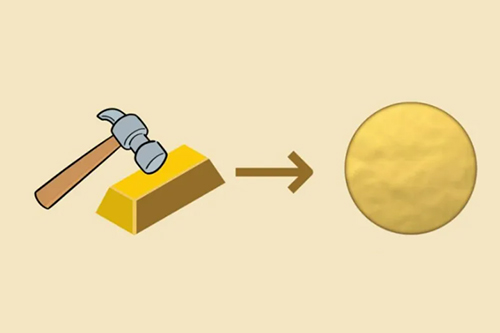
• Malleability is the ability of a material to deform when compressed. It is usually observed in processes such as hammering, rolling, or stamping, where the metal is deformed but not broken. Gold, for example, can be beaten into sheets that are only a few micrometers thick, showing its vast malleability.
• Ductility, conversely, is the ability to withstand tensile stress—tension or pulling—without shattering. Copper and aluminum are good examples, having the ability to be drawn into wires for mechanical or electrical uses.
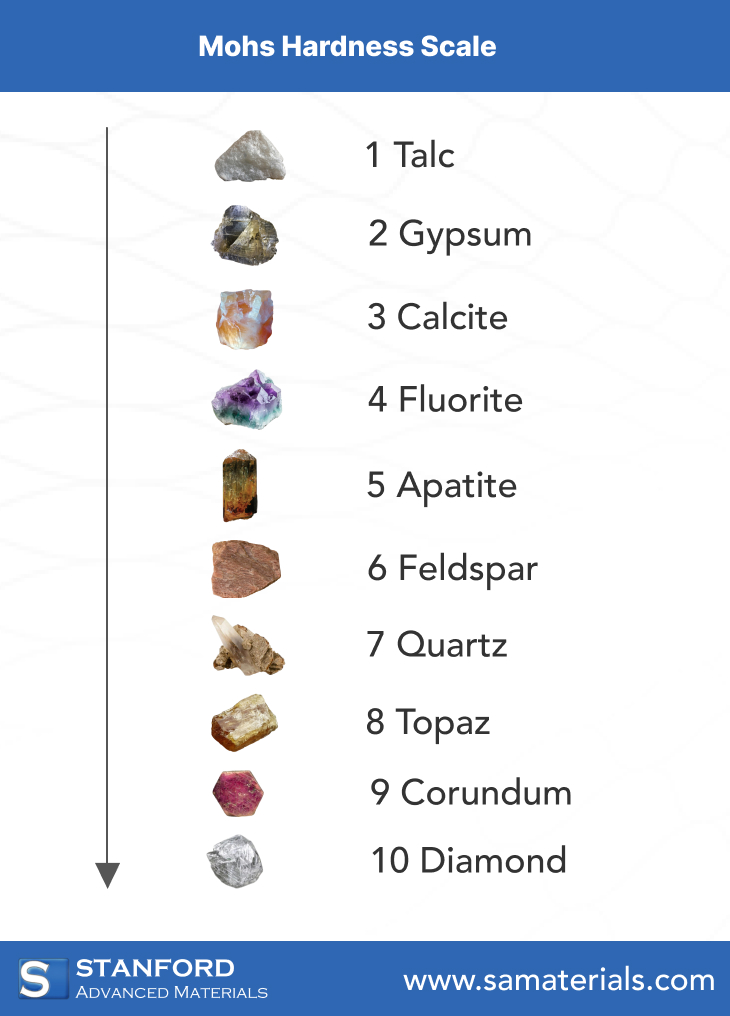
• Hardness will specify resistance to surface deformation, scratching, or indentation. Whereas tungsten and steel are hard metals appropriately used in cutting tools or wear parts, very ductile metals like gold and silver are soft but are excellent in forming operations.
This problem is important in manufacturing: the selection of a very malleable but extremely soft metal will be ideal for shaping and forming, but less ideal for wear applications. Harder metals will not bend but will be difficult to shape without resorting to specialized techniques.
Examples of Malleable Metals
The following table provides representative examples of the degree of malleability in various metals based on atomic structure, bonding, and temperature:
|
Metal |
Malleability |
Common Uses |
|
Gold |
Very High |
Jewelry, electronics, precision connectors |
|
Copper |
High |
Electrical wiring, plumbing, heat exchangers |
|
Aluminum |
Moderate |
Packaging (foil), aircraft structures, automotive panels |
|
Iron |
Low |
Heavy machinery, construction beams |
|
Titanium |
Low |
Aerospace components, medical implants |
Case Example: Gold is used in electronics for circuit boards and connectors because its malleability allows it to be cast into very thin, precise layers without cracking. Moderately malleable aluminum is ideal for car body panels, where the metal must be cast into complicated curves but still have structural strength.
Factors Affecting Malleability
There are several factors that determine the degree to which a metal is malleable, they work in complex combinations:
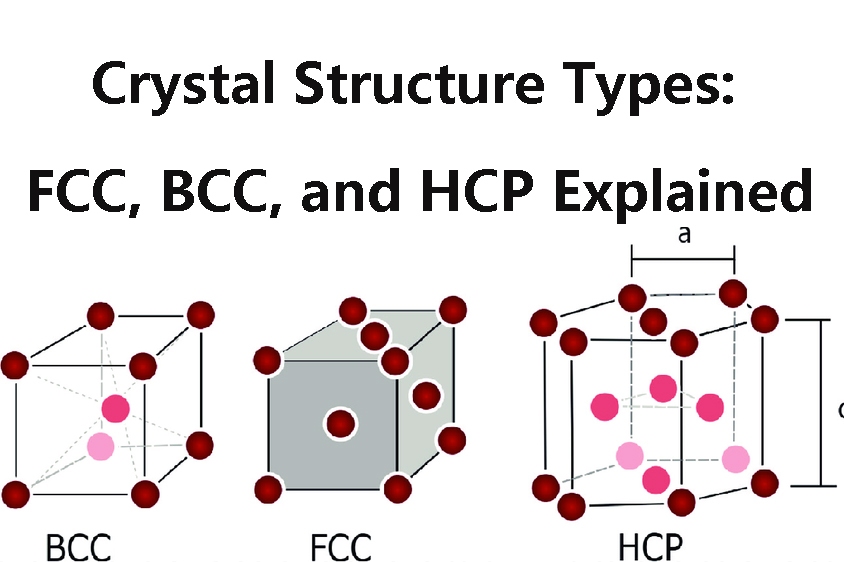
1. Atomic Structure: Closely packed crystal lattices such as face-centered cubic (FCC) metals gold, silver, and copper are more malleable. The atomic planes will easily glide over each other when put under stress.
2. Bonding: Metal bonding allows the atoms to shift in relation to one another and still be coherent, thus enhancing the potential to deform without breaking.
3. Temperature: Heat enhances malleability by providing atoms with energy to glide over one another. For instance, steel is easier to roll or forge at around 1200 °C.
4. Alloying: The introduction of other elements can make malleability greater or lesser. For instance, the introduction of zinc into copper to make brass lowers malleability from that of pure copper but increases the hardness and strength suitable for structural application.
5. Grain Size and Work Hardening: Fine-grained metals are more malleable than coarse-grained metals. Furthermore, successive deformation without annealing will harden and make metals less malleable, which is knowingly exploited in metalworking in order to control mechanical properties.
Data Example: Pure gold is so malleable that it can be hammered into sheets as thin as 0.0001 millimeters, and aluminum is rolled into foil of about 0.016 millimeters thickness in factory environments.
Uses of Malleable Metals
Malleable metals find extensive applications in industries where they are to be formed and shaped:
•Automotive Industry: Steel and aluminum alloys are rolled and stamped into car bodies, engine components, and structural frames. High malleability reduces cracking during forming and allows for complicated shapes.
•Construction: Aluminum and copper sheets are used in roofing, cladding, and HVAC systems as they can be easily shaped and are corrosion-resistant.
• Electronics: Copper and gold are employed in wiring, circuit boards, and connectors. Because they are highly malleable, they create thin, exacting layers for efficient electrical conduction.
• Jewelry and Decorative Arts: Gold, silver, and platinum are worked into elaborate shapes, sometimes requiring malleability to give thin, fine sheets and detail.
Case Example: Aluminum alloys are employed in aerospace engineering to produce fuselage panels and fuel tanks because the metal's modest malleability permits precise forming while avoiding weight inefficiency and structural loss.
Conclusion
Malleability is a physical property that enables metals to be shaped and formed without breaking, and their industrial and technological applications are unlimited. A consideration of differences among malleability, ductility, and hardness ensures that engineers select the right metal for any application, whether it is rolling copper into wire, rolling aluminum into automobile panels, or hammering gold into paper-thin sheets that are nearly translucent. Malleability is influenced directly by such considerations as atomic structure, temperature, and alloying, and careful manipulation of these considerations allows industries to optimize performance and efficiency.
Frequently Asked Questions
Q: What is malleability?
A: Malleability is the ability of a metal to withstand compressive stress, such as hammering or rolling, without breaking or cracking.
Q: Which are the most malleable metals?
A: Copper and gold are two of the most malleable metals, and this allows them to be rolled into extremely thin sheets.
Q: How does malleability vary with increasing temperature?
A: Increased temperatures will generally increase malleability by giving atoms more energy to move and rearrange themselves when stressed.
Q: How does malleability differ from ductility?
A: Malleability is compression under compressive stress, while ductility is pulling or stretching under tensile stress.
Q: Why is malleability important in manufacturing?
A: It enables the shaping of metals into complex shapes and precise components without fracturing them, saving waste and improving the efficiency of production.
 Chin Trento