Products
 Bars
Bars
 Beads & Spheres
 Bolts & Nuts
 Crucibles
 Discs
Discs
 Fibers & Fabrics
 Films
Films
 Flake
Flake
 Foams
Foams
 Foil
Foil
 Granules
 Honeycombs
 Ink
Ink
 Laminate
 Lumps
Lumps
 Meshes
 Metallised Film
 Plate
Plate
 Powders
 Rod
Rod
 Single Crystals
 Sputtering Target
 Tubes
Tubes
 Washer
 Wires
Wires
 Converters & Calculators
 Write for Us



Oxidation States of Transition Metals Reference Table

Introduction
Transition metals are characterized by their ability to adopt multiple oxidation states—a property that underpins their role in catalysis, materials science, and industrial chemistry. This table provides a quick reference for common and selected less common oxidation states of transition metals, along with example compounds.
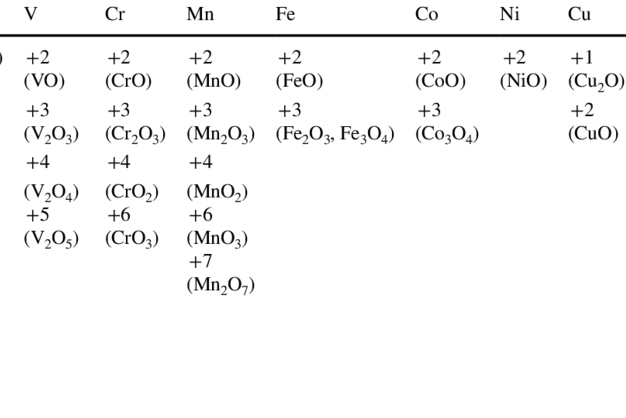
Oxidation States Reference Table
| Element | Symbol | Common Oxidation States | Less Common States | Example Compounds |
|---|---|---|---|---|
| Scandium | Sc | +3 | – | Sc₂O₃, ScCl₃ |
| Titanium | Ti | +4 | +2, +3 | TiO₂ (Ti⁴⁺), TiCl₃ (Ti³⁺) |
| Vanadium | V | +5, +4 | +2, +3 | V₂O₅ (V⁵⁺), VO₂ (V⁴⁺), VCl₃ (V³⁺) |
| Chromium | Cr | +3, +6 | +2 | Cr₂O₃ (Cr³⁺), K₂Cr₂O₇ (Cr⁶⁺), CrCl₂ (Cr²⁺) |
| Manganese | Mn | +2, +4, +7 | +3, +6 | MnSO₄ (Mn²⁺), MnO₂ (Mn⁴⁺), KMnO₄ (Mn⁷⁺) |
| Iron | Fe | +2, +3 | +6 (rare) | FeSO₄ (Fe²⁺), Fe₂O₃ (Fe³⁺), K₂FeO₄ (Fe⁶⁺) |
| Cobalt | Co | +2, +3 | +1, +4 | CoCl₂ (Co²⁺), Co₂O₃ (Co³⁺) |
| Nickel | Ni | +2 | +3, +4 | NiSO₄ (Ni²⁺), Ni₂O₃ (Ni³⁺) |
| Copper | Cu | +1, +2 | +3 | Cu₂O (Cu⁺), CuO (Cu²⁺), KCuO₂ (Cu³⁺) |
| Zinc | Zn | +2 | – | ZnO, ZnSO₄ |
| Yttrium | Y | +3 | – | Y₂O₃, YCl₃ |
| Zirconium | Zr | +4 | +2, +3 | ZrO₂ (Zr⁴⁺) |
| Niobium | Nb | +5 | +3, +4 | Nb₂O₅ (Nb⁵⁺) |
| Molybdenum | Mo | +6, +4 | +2, +3, +5 | MoO₃ (Mo⁶⁺), MoS₂ (Mo⁴⁺) |
| Technetium | Tc | +7, +4 | +6, +5 | Tc₂O₇ (Tc⁷⁺), TcO₂ (Tc⁴⁺) |
| Ruthenium | Ru | +3, +4 | +2, +6, +8 | RuCl₃ (Ru³⁺), RuO₂ (Ru⁴⁺), RuO₄ (Ru⁸⁺) |
| Rhodium | Rh | +3 | +1, +2, +4 | RhCl₃ (Rh³⁺) |
| Palladium | Pd | +2, +4 | 0, +1 | PdCl₂ (Pd²⁺), PdO₂ (Pd⁴⁺) |
| Silver | Ag | +1 | +2, +3 | Ag₂O (Ag⁺), AgO (Ag²⁺) |
| Cadmium | Cd | +2 | – | CdO, CdSO₄ |
| Hafnium | Hf | +4 | – | HfO₂ |
| Tantalum | Ta | +5 | +4 | Ta₂O₅ (Ta⁵⁺) |
| Tungsten | W | +6 | +4, +5 | WO₃ (W⁶⁺), WO₂ (W⁴⁺) |
| Rhenium | Re | +7, +4 | +6, +5, +3 | Re₂O₇ (Re⁷⁺), ReO₂ (Re⁴⁺) |
| Osmium | Os | +4, +8 | +3, +6 | OsO₄ (Os⁸⁺), OsO₂ (Os⁴⁺) |
| Iridium | Ir | +3, +4 | +1, +2, +6 | IrCl₃ (Ir³⁺), IrO₂ (Ir⁴⁺) |
| Platinum | Pt | +2, +4 | 0, +1, +3 | PtCl₂ (Pt²⁺), PtO₂ (Pt⁴⁺) |
| Gold | Au | +3, +1 | +2 | AuCl₃ (Au³⁺), AuCl (Au⁺) |
| Mercury | Hg | +2, +1 | – | HgCl₂ (Hg²⁺), Hg₂Cl₂ (Hg⁺) |
Note: This table includes commonly encountered oxidation states. Some elements may exhibit additional states under specific conditions (e.g., high pressure, non-aqueous solvents, or specialized ligands).
How to Use This Table
- Common Oxidation States are those most frequently encountered in routine chemistry—aqueous solutions, common compounds, and standard laboratory conditions.
- Less Common States may require specific environments (e.g., inert atmosphere, strong ligands, or electrochemical control) and are included for reference.
- Example Compounds show representative substances for each oxidation state. Many other compounds exist for each state.
Transition Metals Available from Stanford Advanced Materials
Stanford Advanced Materials (SAM) supplies high-purity transition metals, alloys, and compounds for research and industrial applications. Many of the elements listed above—including titanium, vanadium, chromium, manganese, iron, cobalt, nickel, copper, and others—are available in various forms:
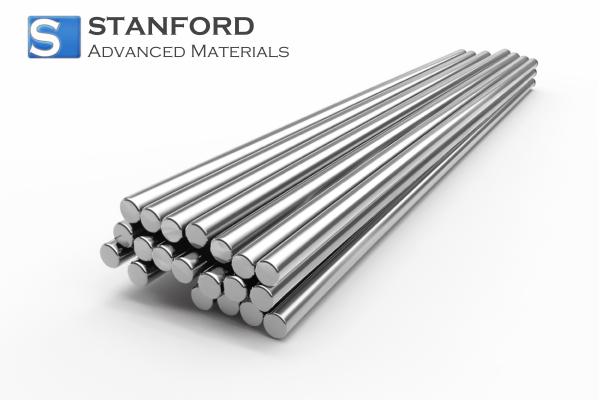
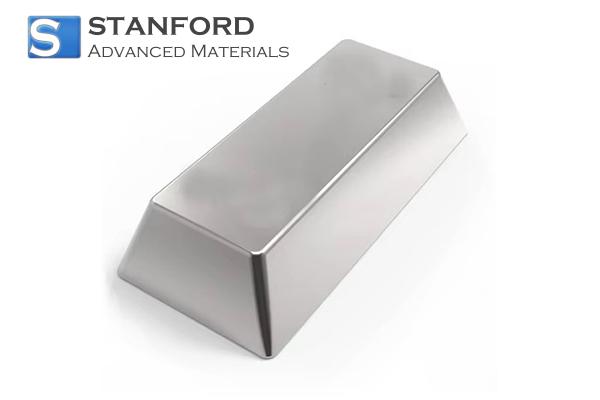
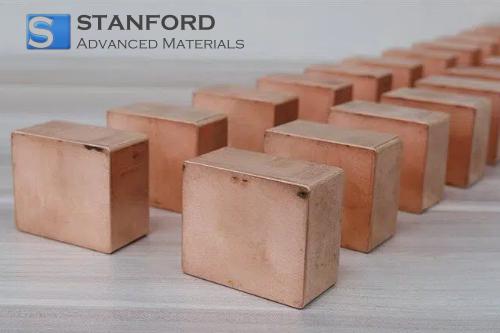
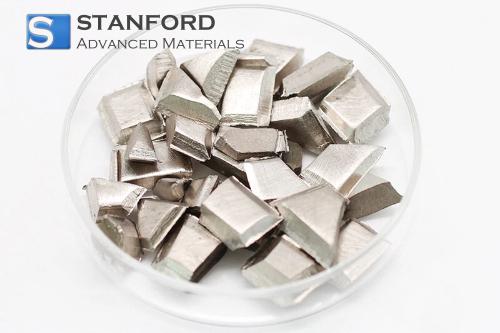
- Metal forms: Ingot, sheet, rod, powder, sputtering targets
- Compounds: Oxides, chlorides, sulfates, and custom syntheses
- Purities: Commercial grade to 5N and above
[Browse our transition metals] or [contact us] for specific requirements.
Frequently Asked Questions
Q: What is an oxidation state in transition metals?
A: It's the hypothetical charge an atom would have if all bonds were completely ionic. In practice, it reflects the number of electrons lost or gained relative to the neutral atom.
Q: Why do transition metals have multiple oxidation states?
A: Because their d orbitals are close in energy to the s orbital, allowing them to lose different numbers of electrons without requiring prohibitive amounts of energy.
Q: Which transition metal has the most oxidation states?
A: Manganese is often cited, with states from +2 to +7 all accessible. Ruthenium and osmium also exhibit a wide range.
Q: Are oxidation states always whole numbers?
A: In formal oxidation state accounting, they are whole numbers. However, the actual electron distribution in compounds may involve fractional contributions in delocalized systems.
Q: Does SAM provide materials with specified oxidation states?
A: We supply compounds with defined oxidation states (e.g., Fe₂O₃ for Fe³⁺, FeO for Fe²⁺). For metal forms, oxidation state is not applicable—the material is elemental. [Contact us] for compound specifications.
 Chin Trento