Products
 Bars
Bars
 Beads & Spheres
 Bolts & Nuts
 Crucibles
 Discs
Discs
 Fibers & Fabrics
 Films
Films
 Flake
Flake
 Foams
Foams
 Foil
Foil
 Granules
 Honeycombs
 Ink
Ink
 Laminate
 Lumps
Lumps
 Meshes
 Metallised Film
 Plate
Plate
 Powders
 Rod
Rod
 Single Crystals
 Sputtering Target
 Tubes
Tubes
 Washer
 Wires
Wires
 Converters & Calculators
 Write for Us



How Much Gold Can an iPhone Refine?

Introduction
In 1973, the mobile phone's inventor, Martin Cooper, took the first wireless phone and made a phone call in the streets of New York. Cell phones were born then, and this is one of the great inventions of man.
After more than 40 years of development, the device has evolved from the size of two bricks to the one-handed grip it is today. Although the phone's appearance is small and simple, it still has a complex inner core inside. Everything in the world is made up of chemical elements, and the cell phone is no exception, so what metal elements are there in the phone?
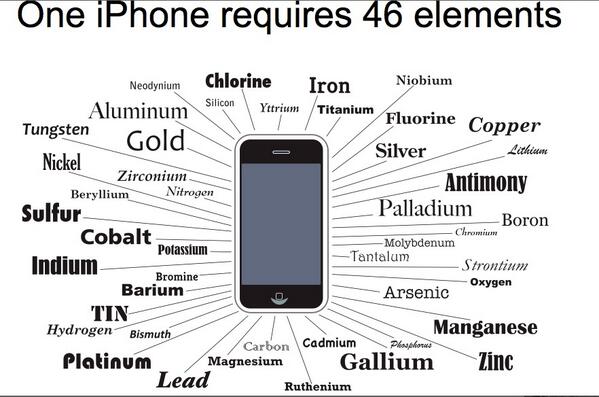
What metal elements are there in the phone?
Smartphones contain a surprising diversity of metal elements—over 30 in total—each serving a specific technical role. Precious metals like gold, silver, platinum, and palladium are used in connectors, microchips, circuit paths, and capacitors due to their excellent conductivity and corrosion resistance. Base metals such as copper, aluminum, nickel, tin, and zinc form the backbone of wiring, casings, solder, and alloy coatings.
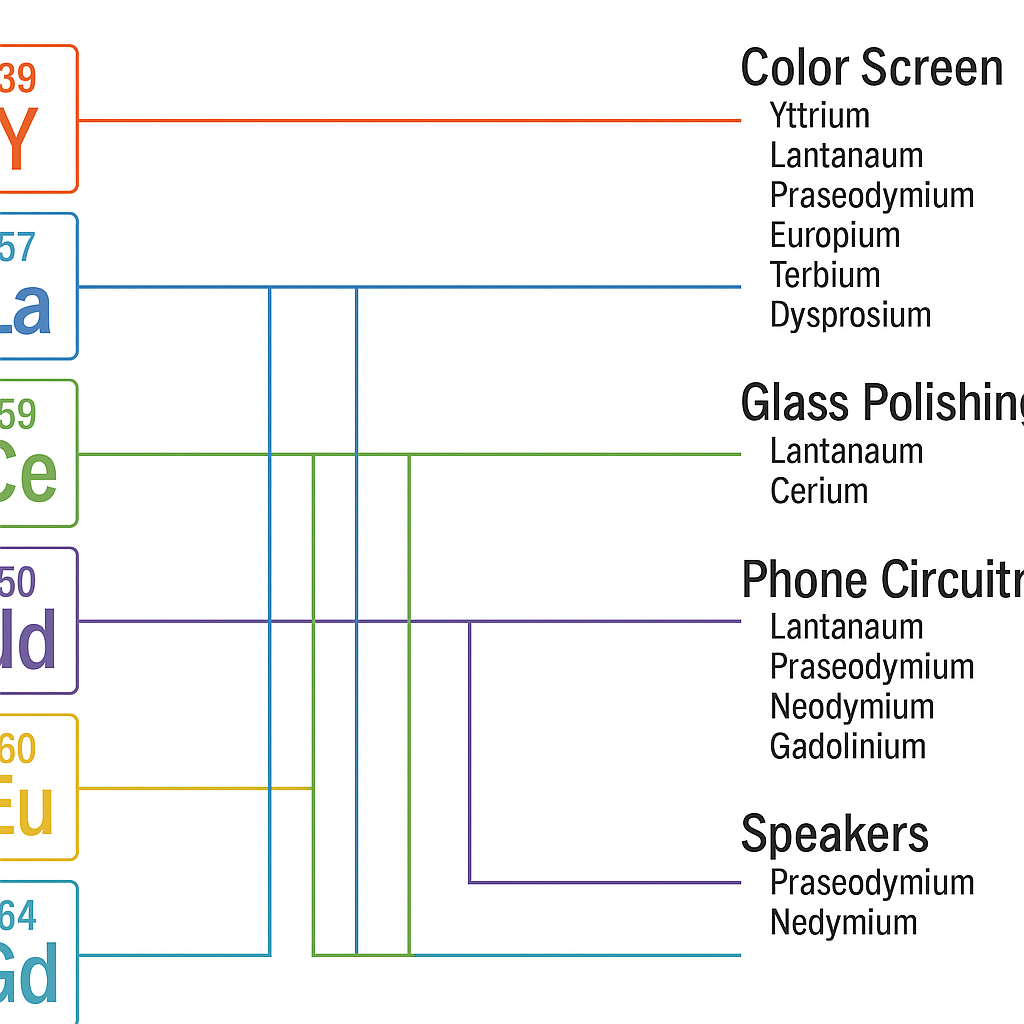
Rare earth elements are essential for more specialized functions. Neodymium, praseodymium, and dysprosium are used in powerful magnets found in speakers and vibration motors. Lanthanum and cerium help polish glass and enhance camera optics, while europium, yttrium, gadolinium, and terbium are key to color display phosphors.
Additional metals like lithium and cobalt power the battery, tantalum is used in tiny, high-performance capacitors, and indium—typically combined with tin—creates transparent conductive layers in touchscreens. Gallium plays a role in LEDs and semiconductors, while antimony appears in flame retardants and solder materials. Each of these metals contributes to the phone’s speed, functionality, and miniaturization.
Tin and lead
Tin and lead are the two largest metals on the motherboard. Tin-lead alloy has always been the highest quality and cheapest welding material, whether the welding quality or the reliability after welding can meet the requirements. So each chip and PCB board is soldered through tin and lead. But lead mixtures can cause damage to the human body and the environment, so we now advocate the lead-free soldering of tin which is a mixture of copper and silver.
Silicon
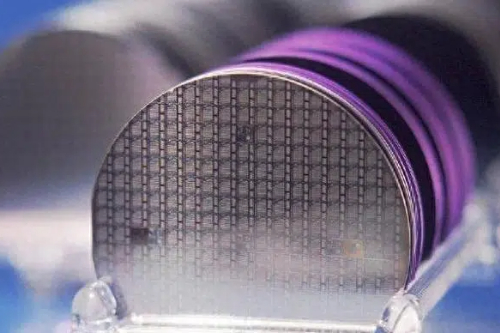
Silicon is used to make chips for cell phone processors, each of which is cut from the entire silicon wafers. The processing technology of silicon wafers is very complicated, it needs to be cleaned, oxidized, heat-treated, ion implantation, and so on. The processing of many processes will result in the difference of the chip, which is why the same processor frequency is different.
Tungsten
Tungsten is the material used by the mobile vibrator. Tungsten has a significant advantage in density, hardness, and wear resistance, which has been chosen by the vibrator because the vibration is in high-speed rotation. In addition, nickel is used to make the microphone of mobile phones; praseodymium, gadolinium, and neodymium are used in microphones and loudspeakers; copper is the main raw material for mobile phone lines; tantalum is the main component of microcapacitance.
How much gold can an iPhone refine?
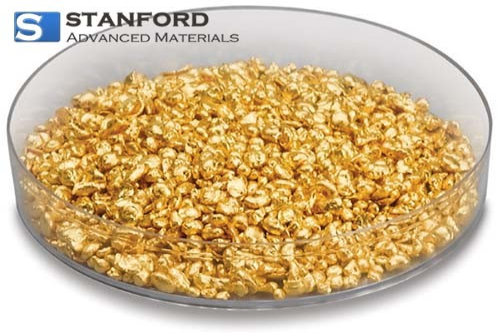
And after that, where is the gold? In fact, a lot of components of mobile phone motherboards contain gold. The mainboard lines, chips, IDE interfaces, PCI Express slots, other interfaces, processor sockets, and so on are often covered in gold layers of a few microns thick. Besides that, the SIM card we use also contains gold.
Now that the cell phone contains gold, is it possible that the old phone can be exchanged for value by extracting gold? The answer is no. Although many components in mobile phones contain gold, the content is very small indeed. According to the UN's e-waste report, 41 phones contain about 1 gram of gold. The gold value in your mobile phone is not more than $2 according to the current gold price, so it is obviously not the result that you want to exchange the gold for value.
 Chin Trento