{{flagHref}}
Products
  • Products
  • Categories
  • Blog
  • Podcast
  • Application
  • Document
|
|
/ {{languageFlag}}
Select Language
Stanford Advanced Materials {{item.label}}
Stanford Advanced Materials
Select Language
Stanford Advanced Materials {{item.label}}
Please start talking

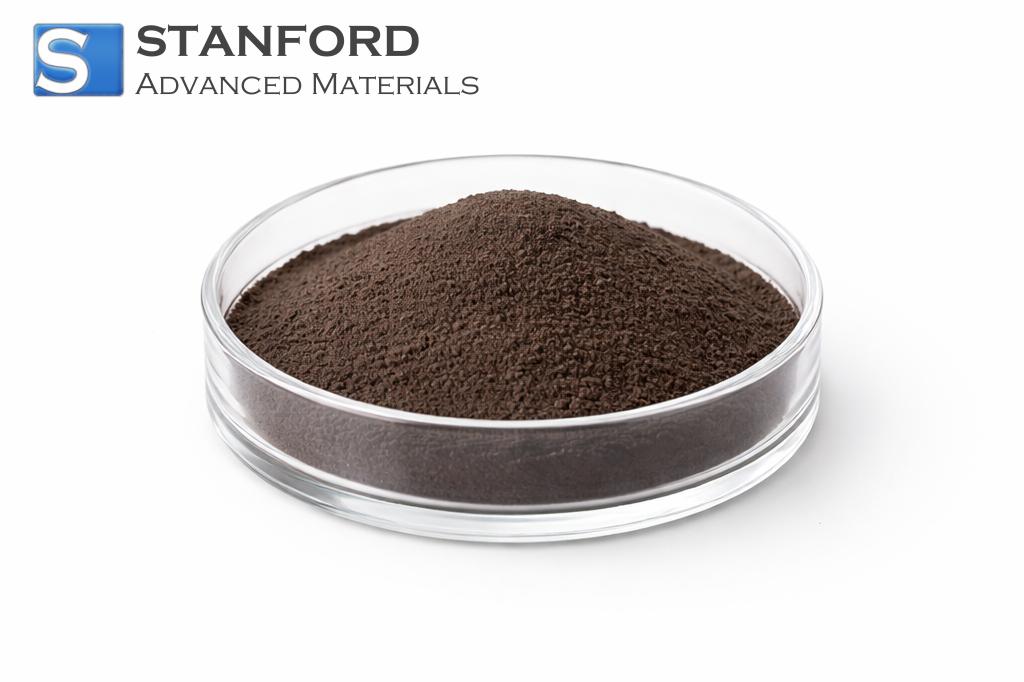
TA10739 Tantalum Niobium Alloy Powder

Catalog No. TA10739
Composition Ta, Nb
Form Powder
Particle Size Customized

Tantalum Niobium Alloy Powder is a finely milled alloy consisting of tantalum and niobium designed for advanced materials research and processing. Stanford Advanced Materials (SAM) employs precise milling techniques and electron microscopy analysis for quality control. SAM's process emphasizes exact composition control and particle size distribution, which supports reproducible performance in high-demand material applications.

INQUIRY
Add to Compare
Tantalum Niobium Alloy Powder
Description
Specification
Reviews

Compare Similar Items

Show Differences

This Item
Add to List
Composition
Ta, Nb
Form
Powder
Particle Size
Customized
 
Add to List
Add to Compare
Dimensions
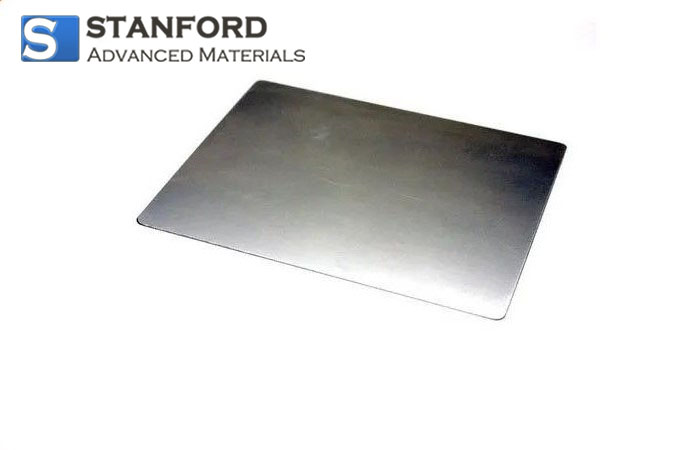
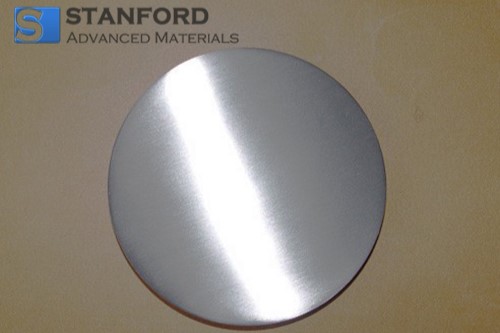
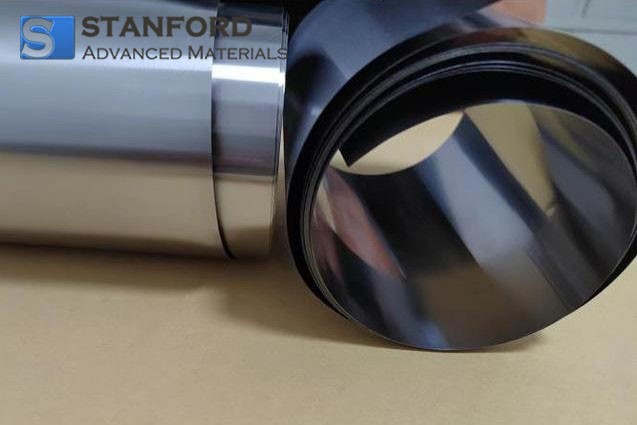
Thickness: 0.03-0.07 mm, Width: 30-200 mm, Length:
Material
R05252 (Ta-2.5W); R05255 (Ta-10W)
Standard
ASTM B708
Purity
≥99.9% or 99.95%
 
Add to List
Add to Compare
Material
R05252 (Ta-2.5W) R05255 (Ta-10W)
Dimensions
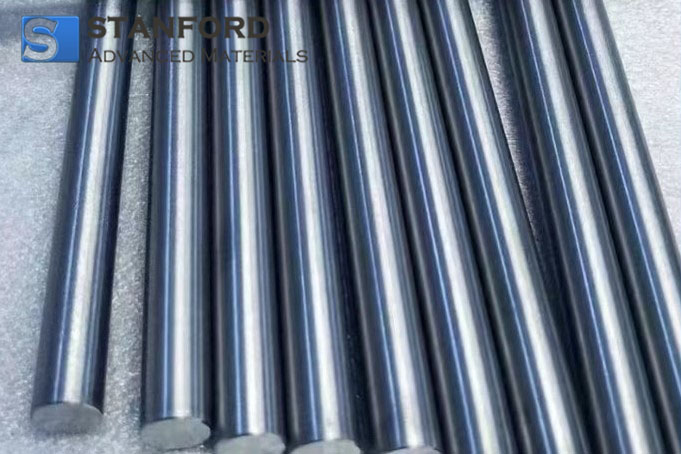
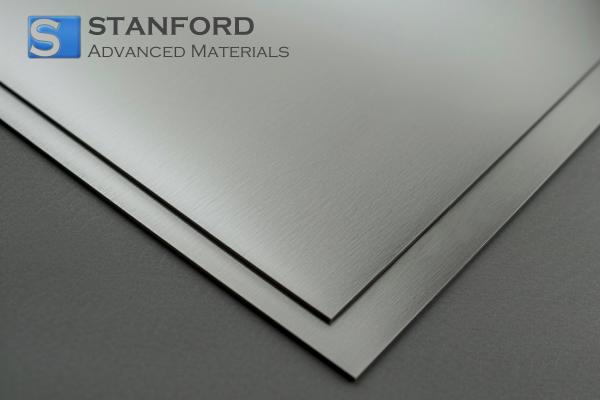
0.07-10 T, 30-1000 W, 30-3000 L
Standard
ASTM B708
Purity
≥99.9% or 99.95%
 
Add to List
Add to Compare
Dimensions
Customized
Standard
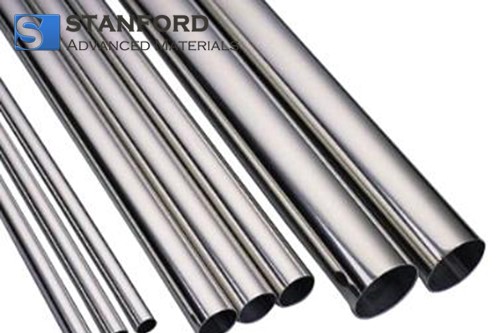
ASTM B521
Shape
Tube, Pipe
Grade
R05252 (Ta2.5W), R05255 (Ta10W)

FAQ

What is the impact of particle size distribution on processing efficiency?

A narrow particle size distribution assists in achieving uniform sintering and controlled microstructure evolution during processing, which is critical for reproducibility in specialized applications. It also minimizes variance in reactivity during chemical conversion.

How does the alloy composition affect its melting point and processing window?

The precise ratio of tantalum to niobium influences the alloy’s melting point and solidification behavior. An accurate composition enables controlled melting and solidification characteristics, which is essential in high temperature processing and alloy consolidation operations.

What quality control methods are used to ensure batch consistency?

SAM employs analytical techniques such as electron microscopy and spectroscopy to verify composition and particle morphology. These measurements help to maintain tight specification tolerances and reproducibility, ensuring that each batch meets the required technical standards. Contact us for more details.

GET A QUOTE

Send us an inquiry today to learn more and receive the latest pricing. Thank you!

* Your Name
* Your Email
* Product Name
* Your Phone
* Country

United States

    Comments
    I would like to join the mailing list to receive updates from Stanford Advanced Materials.
    Attach Drawing:

    Drop files here or

    * Check Code
    Accepted file types: PDF, png, jpg, jpeg. Upload multiple files at once; each file must be under 2MB.
    Leave A Message
    Leave A Message
    * Your Name:
    * Your Email:
    * Product Name:
    * Your Phone:
    * Comments: